
Costa Rica: Volcanoes, Wildlife and Coastal Bliss
“It seems to me that the natural world is the greatest source of excitement; the greatest source of visual beauty; the greatest source of intellectual interest. It is the greatest source of so much in life that makes life worth living.” David Attenborough
10/12/202512 min read
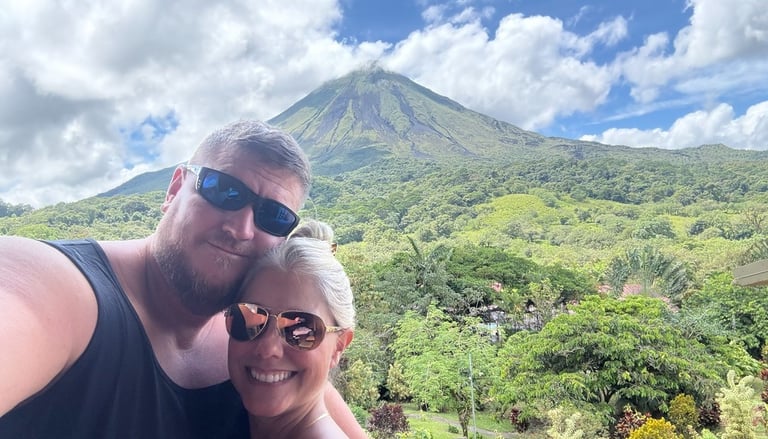
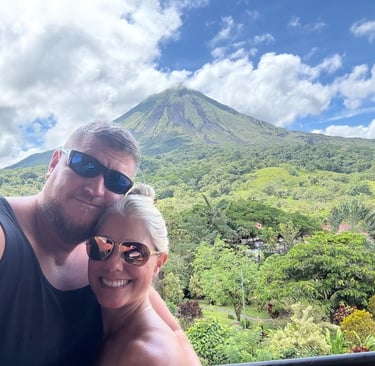
Costa Rica is one of Central America’s most visited destinations and for good reason. It is known for its rich biodiversity, active volcanoes, and devotion to conservation. Tourism is a major part of its economy, drawing millions each year to explore cloud forests, beaches and wildlife preserves. The country holds around five percent of the world’s biodiversity and nearly a quarter of the land is protected as national parks. There are around sixty to seventy volcanoes in total with six considered active. Arenal Volcano has been the most active historically with it’s last major eruption in 2010.
We flew into San José’s Juan Santamaría International Airport (SJO). Arrival was smooth and because we planned two full weeks in the country, we decided to rent a car. Most rental companies are located offsite near the airport, but shuttle buses pick you up quickly and take you directly to their lots. Everything went smoothly and we were on our way in no time.
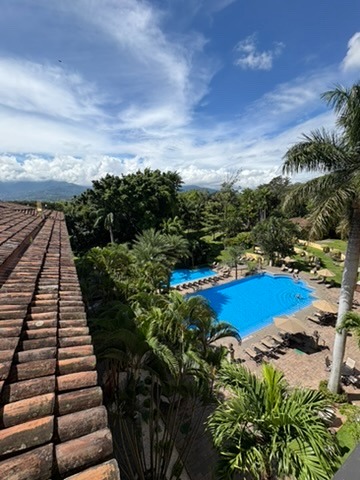
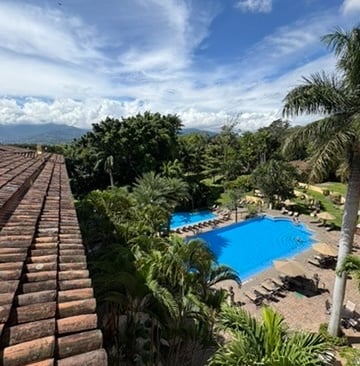
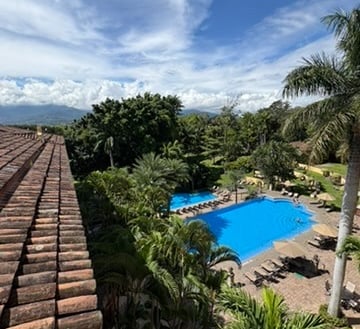
We divided our trip into two parts. The first week was spent in the Arenal Volcano region and the second week was spent along the Pacific coast of Guanacaste. Since we arrived in the afternoon, we chose to stay one night in San José to rest before driving north. For this first night, we stayed at the Costa Rican Marriott Hotel Hacienda Belén. The property is beautiful and designed to resemble a traditional coffee plantation. The grounds are filled with tropical plants, blooming flowers and bright crimson fronted parakeets (green parrots) that fly overhead throughout the day. The pool area is relaxing and the gym is one of the most impressive we have seen in Central America. Their executive lounge offered excellent food and drinks and overall, the hotel was a great way to begin our trip.
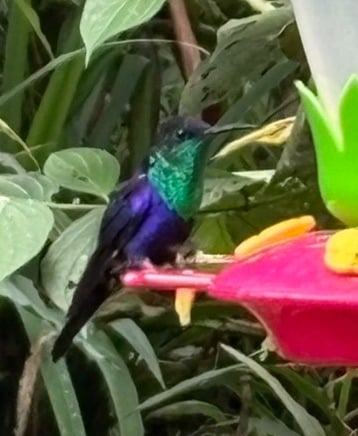
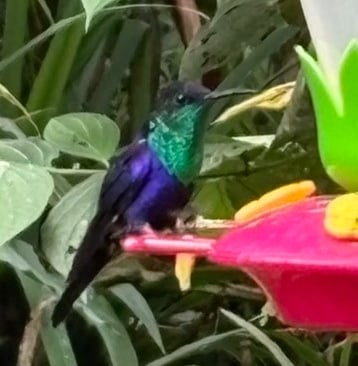
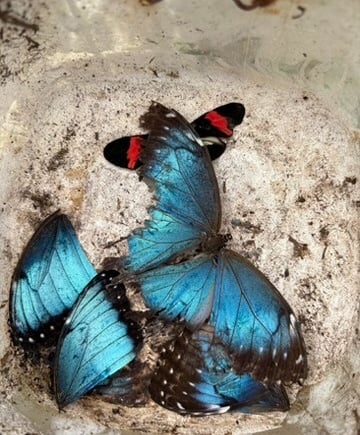
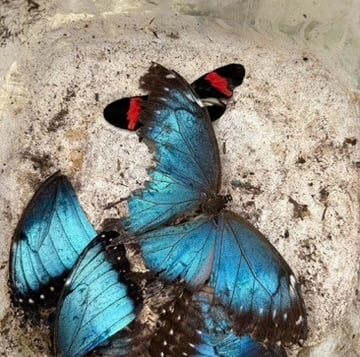
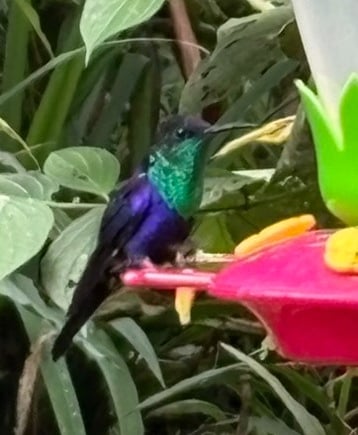
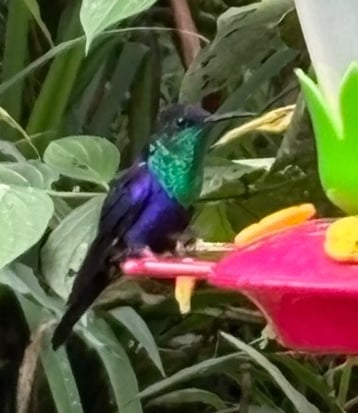
Before leaving San José, we stopped at Walmart to stock up on bottled water, snacks and a little vodka. The essentials. The drive from San José to La Fortuna takes about three and a half hours. We had heard plenty of warnings about terrible roads, but this stretch was surprisingly smooth. Many sections were recently paved and the scenery stayed beautiful nearly the entire way. Halfway into the drive, we stopped at Bosque Nuboso El Cocora, a small cloud forest reserve and butterfly sanctuary known for its orchids and the hummingbirds that dart around the feeders all day. It’s only a few dollars to visit and is worth the stop.
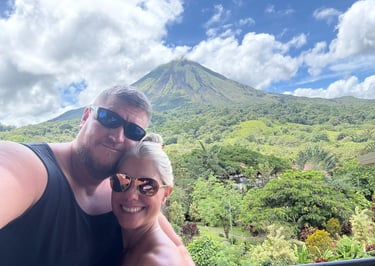
In La Fortuna, we stayed at Hotel Arenal Kioro Suites and Spa. The views from the hotel are unforgettable. The Arenal Volcano fills the skyline everywhere you look. You can see it from the pool, the breakfast area and even the hot tub in your room. Rooms are large and comfortable and each one includes a private hot tub. The hotel also has its own artificial hot springs tucked into lush gardens which makes it easy to relax without having to venture out.
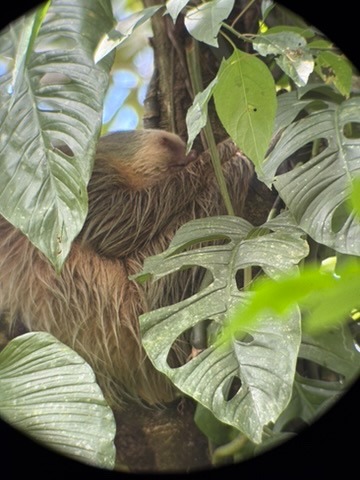
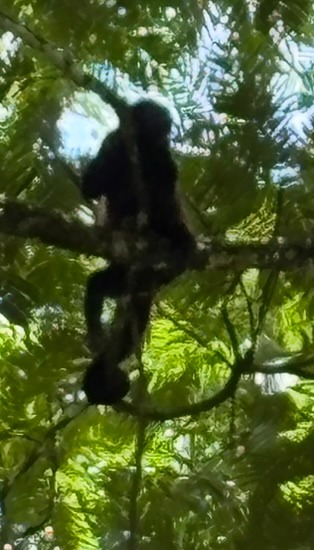
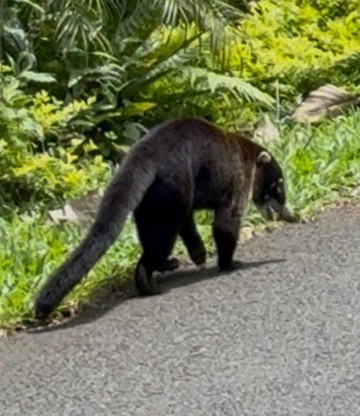
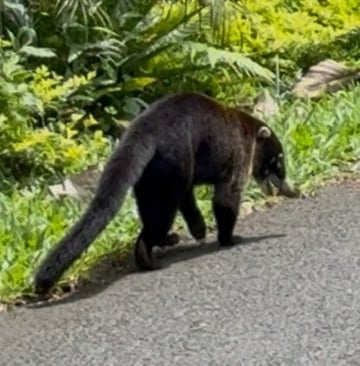
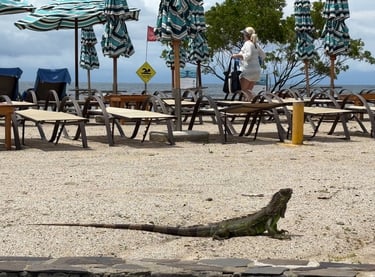
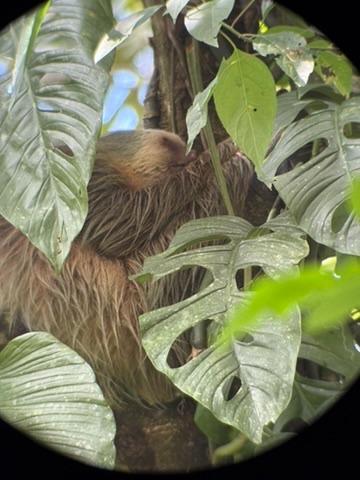
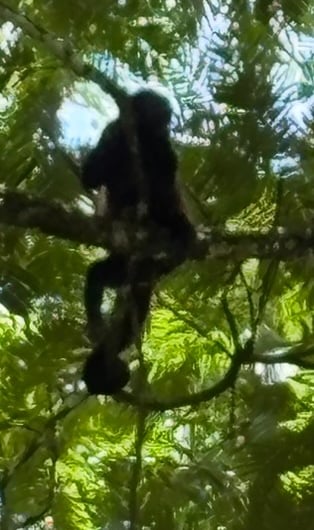
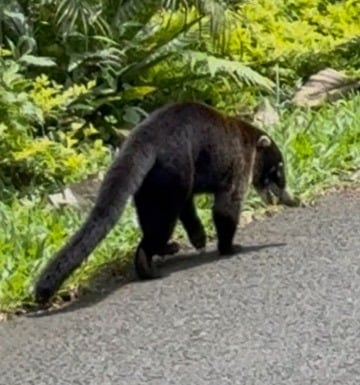
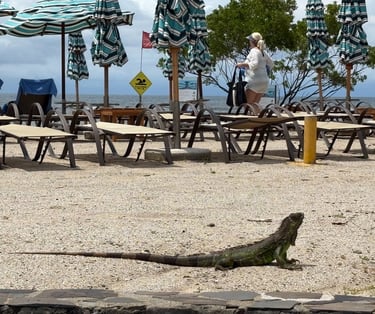
During our stay, we booked a sloth tour with Sloth Territory, a local company dedicated to ethical wildlife viewing. They focus on protecting the natural habitat and do not interfere with the animals. Our guide Rebecca was friendly and patient and helped us spot sloths, howler monkeys, iguanas, red eyed tree frogs and the lines of leafcutter ants carrying pieces of green leaves across the forest floor. It was peaceful, educational and a reminder of how diverse Costa Rican wildlife really is. Just do not forget bug spray.
A highlight of this area and a must visit is just a short car drive from the hotel that brings you to natural hot springs that are free to enter. Once you exit the hotel property, turn left and drive less than a mile. You will see cars parked along the road and a few locals in reflective vests. These locals help direct parking and will show you where to safely enter the river. They usually charge around five dollars for their help. The area is scenic and relaxing and we recommend arriving early in the morning to avoid crowds. Water shoes will make your visit much easier. When we visited there was a stand selling fresh smoothies right outside of the entrance. They were delicious and we highly recommend trying one.
Food in La Fortuna was good but expensive. Restaurants cater to tourists and prices reflect that. One of our favorite stops was Pollolandia, a local fried chicken chain that is inexpensive, fast and consistently good. Nothing fancy but always tasty.
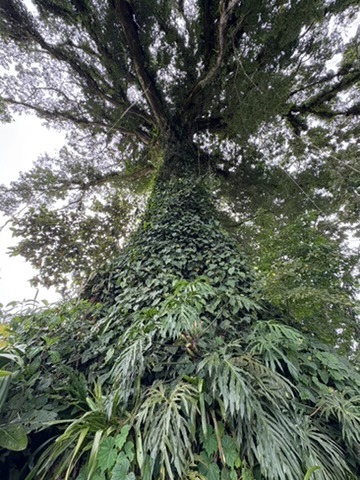
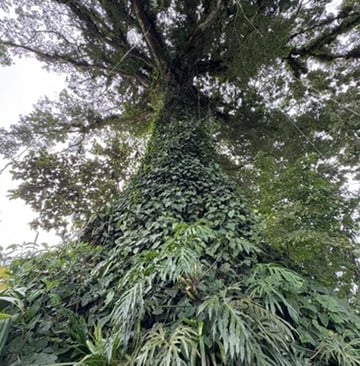
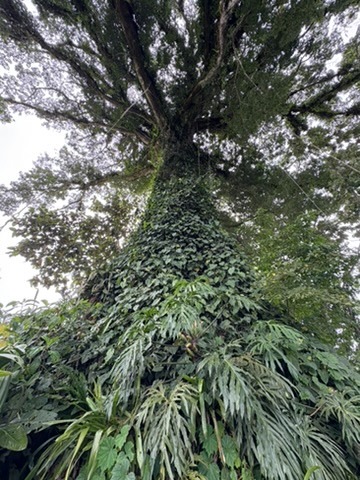
After a week in Arenal, we drove west toward Guanacaste. The trip takes around four hours. Along the way, we stopped at the massive Ceiba Tree which is believed to be more than five hundred years old. The tree has cultural significance among indigenous groups and is one of the oldest living landmarks in the region. Fifteen minutes farther is a small German community where we visited Tom’s Pan German Bakery. They serve fresh pastries, pretzels and hearty German dishes. Next door is a small gift shop with some of the lowest priced souvenirs we found anywhere in Costa Rica.
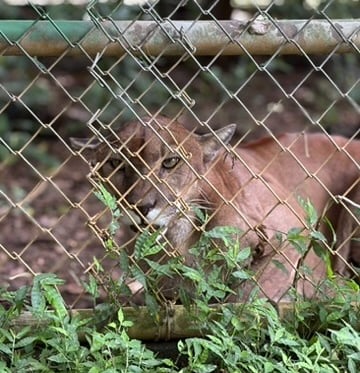
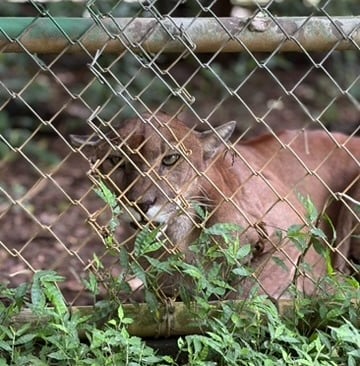
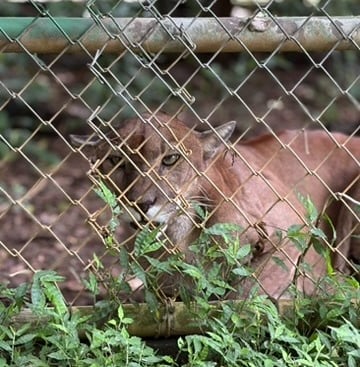
Another stop along the route was Centro de Rescate Las Pumas. This rescue center is a refuge for injured or abandoned wildlife that cannot be returned to the wild. It is not a zoo. You can see pumas, jaguars, toucans, monkeys and several other species. The cost is about ten dollars per person. It is a meaningful place doing important work although the experience may feel basic compared to more polished attractions.
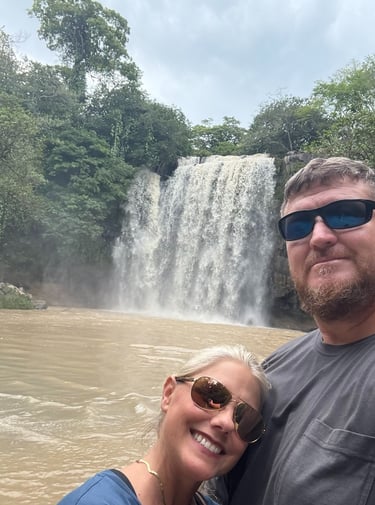
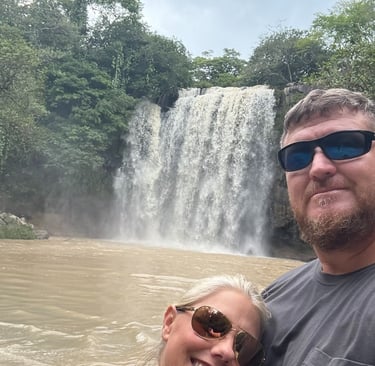
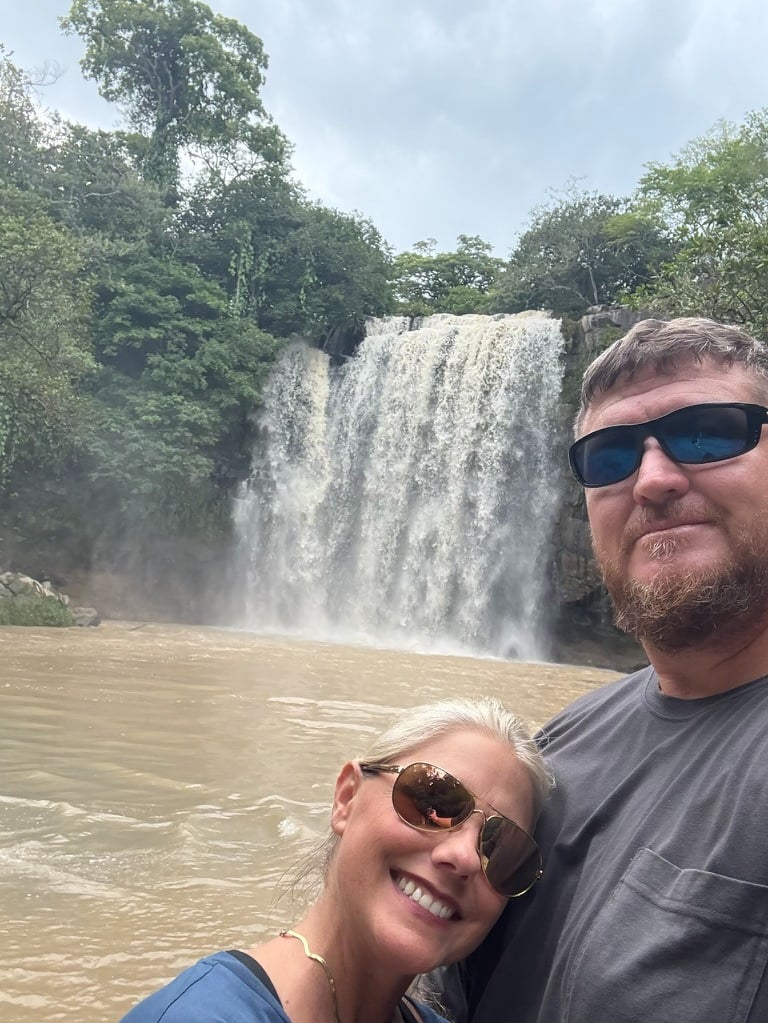
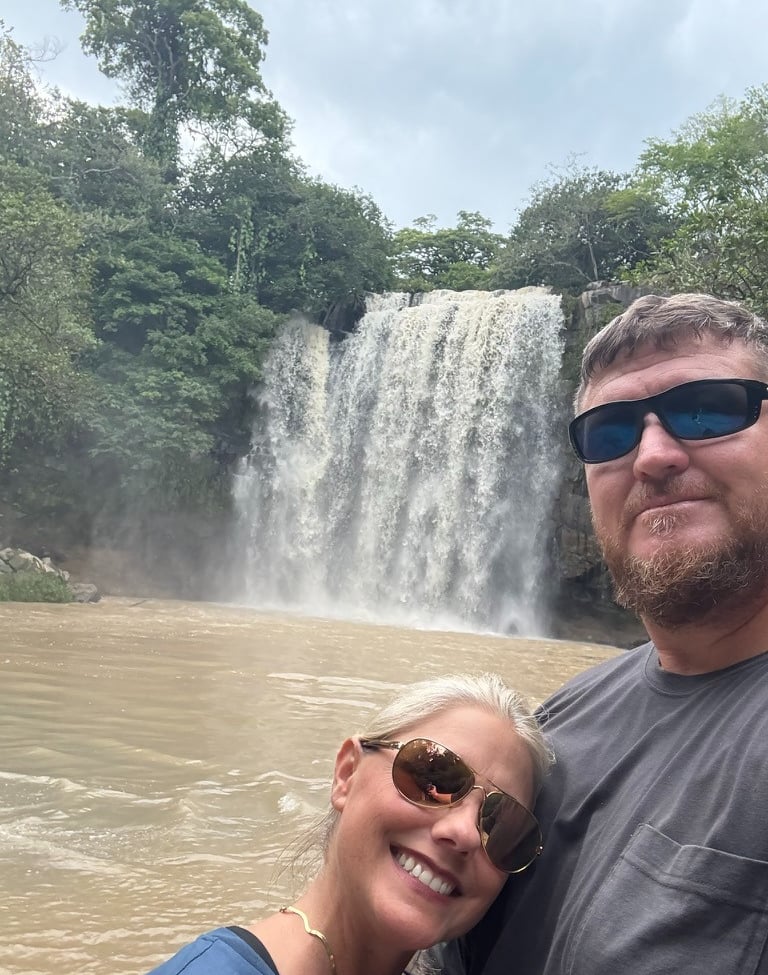
We also stopped at Llanos de Cortés Waterfall which is a picturesque wide waterfall surrounded by forest. The walk to the falls is short and on clear days you can swim in the pool beneath it. Heavy rains the day before kept us from swimming, but it was still a beautiful place to visit.
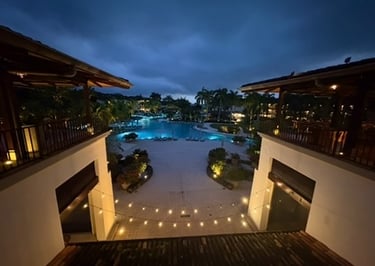
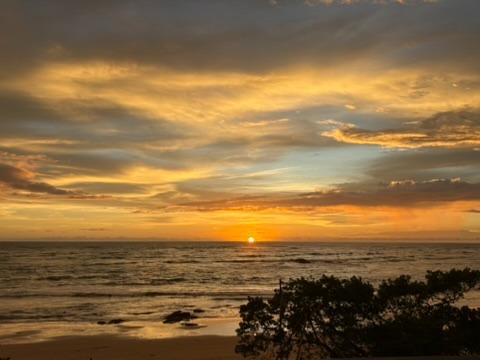
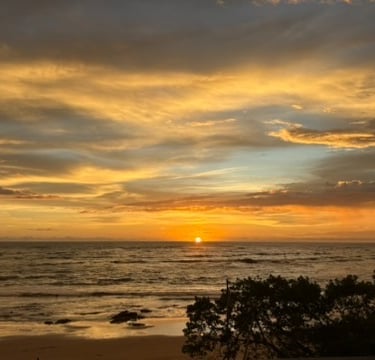
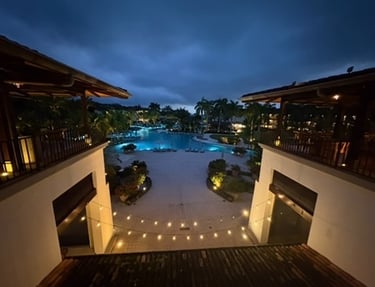
Once we arrived at the JW Marriott Guanacaste, we were immediately impressed. The resort is designed in a hacienda style with wide courtyards, open hallways and beautiful ocean views. Because of our Marriott status, we were upgraded to an ocean view suite. Breakfast was excellent and offered local dishes along with American classics. However, prices at the restaurants were extremely high. A simple hamburger cost more than thirty dollars. Since we had a rental car, we chose to drive into nearby towns for meals which was also a great way to explore the local area. Roads in this region are rough with long unpaved sections and plenty of potholes. We were grateful to be driving a rental.
The coast was the perfect place to unwind and recharge before flying to Panama. When it was time to return to San José, we left a day early and drove about five hours back to the city.
Costa Rica is one of the most beautiful countries we have visited when it comes to flora and fauna. The country prioritizes conservation and does it well. Although it does not have the same level of architectural or cultural attractions found in other parts of Central America, its natural beauty more than makes up for it. The food can be expensive, but the wildlife, landscapes and friendly people make the trip worthwhile. Having a rental car is helpful because it gives you the freedom to explore at your own pace.
We loved our time in Costa Rica and would absolutely return. If you are planning your own visit, reach out to us at Tacks Travels. We can help coordinate your itinerary, recommend hotels and tours and make sure you have a memorable, safe and enjoyable Costa Rican adventure.

Costa Rica is one of Central America’s most visited destinations and for good reason. It is known for its rich biodiversity, active volcanoes, and devotion to conservation. Tourism is a major part of its economy, drawing millions each year to explore cloud forests, beaches and wildlife preserves. The country holds around five percent of the world’s biodiversity and nearly a quarter of the land is protected as national parks. There are around sixty to seventy volcanoes in total with six considered active. Arenal Volcano has been the most active historically with it’s last major eruption in 2010.
We flew into San José’s Juan Santamaría International Airport (SJO). Arrival was smooth and because we planned two full weeks in the country, we decided to rent a car. Most rental companies are located offsite near the airport, but shuttle buses pick you up quickly and take you directly to their lots. Everything went smoothly and we were on our way in no time.
We divided our trip into two parts. The first week was spent in the Arenal Volcano region and the second week was spent along the Pacific coast of Guanacaste. Since we arrived in the afternoon, we chose to stay one night in San José to rest before driving north. For this first night, we stayed at the Costa Rican Marriott Hotel Hacienda Belén. The property is beautiful and designed to resemble a traditional coffee plantation. The grounds are filled with tropical plants, blooming flowers and bright crimson fronted parakeets (green parrots) that fly overhead throughout the day. The pool area is relaxing and the gym is one of the most impressive we have seen in Central America. Their executive lounge offered excellent food and drinks and overall, the hotel was a great way to begin our trip.
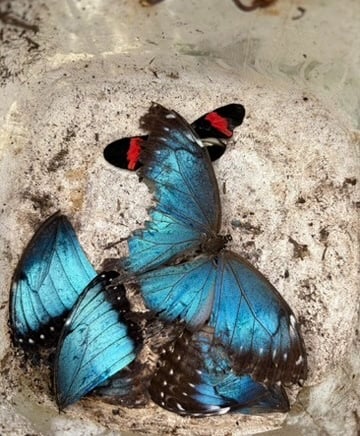
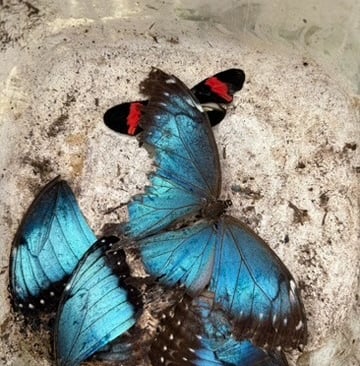
Before leaving San José, we stopped at Walmart to stock up on bottled water, snacks and a little vodka. The essentials. The drive from San José to La Fortuna takes about three and a half hours. We had heard plenty of warnings about terrible roads, but this stretch was surprisingly smooth. Many sections were recently paved and the scenery stayed beautiful nearly the entire way. Halfway into the drive, we stopped at Bosque Nuboso El Cocora, a small cloud forest reserve and butterfly sanctuary known for its orchids and the hummingbirds that dart around the feeders all day. It’s only a few dollars to visit and is worth the stop.
In La Fortuna, we stayed at Hotel Arenal Kioro Suites and Spa. The views from the hotel are unforgettable. The Arenal Volcano fills the skyline everywhere you look. You can see it from the pool, the breakfast area and even the hot tub in your room. Rooms are large and comfortable and each one includes a private hot tub. The hotel also has its own artificial hot springs tucked into lush gardens which makes it easy to relax without having to venture out.
During our stay, we booked a sloth tour with Sloth Territory, a local company dedicated to ethical wildlife viewing. They focus on protecting the natural habitat and do not interfere with the animals. Our guide Rebecca was friendly and patient and helped us spot sloths, howler monkeys, iguanas, red eyed tree frogs and the lines of leafcutter ants carrying pieces of green leaves across the forest floor. It was peaceful, educational and a reminder of how diverse Costa Rican wildlife really is. Just do not forget bug spray.
A highlight of this area and a must visit is just a short car drive from the hotel that brings you to natural hot springs that are free to enter. Once you exit the hotel property, turn left and drive less than a mile. You will see cars parked along the road and a few locals in reflective vests. These locals help direct parking and will show you where to safely enter the river. They usually charge around five dollars for their help. The area is scenic and relaxing and we recommend arriving early in the morning to avoid crowds. Water shoes will make your visit much easier. When we visited there was a stand selling fresh smoothies right outside of the entrance. They were delicious and we highly recommend trying one.
Food in La Fortuna was good but expensive. Restaurants cater to tourists and prices reflect that. One of our favorite stops was Pollolandia, a local fried chicken chain that is inexpensive, fast and consistently good. Nothing fancy but always tasty.
After a week in Arenal, we drove west toward Guanacaste. The trip takes around four hours. Along the way, we stopped at the massive Ceiba Tree which is believed to be more than five hundred years old. The tree has cultural significance among indigenous groups and is one of the oldest living landmarks in the region. Fifteen minutes farther is a small German community where we visited Tom’s Pan German Bakery. They serve fresh pastries, pretzels and hearty German dishes. Next door is a small gift shop with some of the lowest priced souvenirs we found anywhere in Costa Rica.
Another stop along the route was Centro de Rescate Las Pumas. This rescue center is a refuge for injured or abandoned wildlife that cannot be returned to the wild. It is not a zoo. You can see pumas, jaguars, toucans, monkeys and several other species. The cost is about ten dollars per person. It is a meaningful place doing important work although the experience may feel basic compared to more polished attractions.
We also stopped at Llanos de Cortés Waterfall which is a picturesque wide waterfall surrounded by forest. The walk to the falls is short and on clear days you can swim in the pool beneath it. Heavy rains the day before kept us from swimming, but it was still a beautiful place to visit.
Once we arrived at the JW Marriott Guanacaste, we were immediately impressed. The resort is designed in a hacienda style with wide courtyards, open hallways and beautiful ocean views. Because of our Marriott status, we were upgraded to an ocean view suite. Breakfast was excellent and offered local dishes along with American classics. However, prices at the restaurants were extremely high. A simple hamburger cost more than thirty dollars. Since we had a rental car, we chose to drive into nearby towns for meals which was also a great way to explore the local area. Roads in this region are rough with long unpaved sections and plenty of potholes. We were grateful to be driving a rental.
The coast was the perfect place to unwind and recharge before flying to Panama. When it was time to return to San José, we left a day early and drove about five hours back to the city.
Costa Rica is one of the most beautiful countries we have visited when it comes to flora and fauna. The country prioritizes conservation and does it well. Although it does not have the same level of architectural or cultural attractions found in other parts of Central America, its natural beauty more than makes up for it. The food can be expensive, but the wildlife, landscapes and friendly people make the trip worthwhile. Having a rental car is helpful because it gives you the freedom to explore at your own pace.
We loved our time in Costa Rica and would absolutely return. If you are planning your own visit, reach out to us at Tacks Travels. We can help coordinate your itinerary, recommend hotels and tours and make sure you have a memorable, safe and enjoyable Costa Rican adventure.
info@allinglobaltravel.com