
El Salvador: A Nation Rewriting Its Story
“Si la patria es pequeña, uno grande la sueña.” "If the homeland is small, one dreams big." Rubén Darío
9/28/20259 min read
“Si la patria es pequeña, uno grande la sueña.” If the homeland is small, one dreams big. Rubén Darío’s words echoed in our minds as we arrived in San Salvador, a city that until recently was known as one of the most dangerous places in the world. That reputation lingers internationally, but what we found on the ground told a very different story. Today El Salvador feels like a country in the middle of a transformation, full of pride, optimism, and determination to shape a new future.
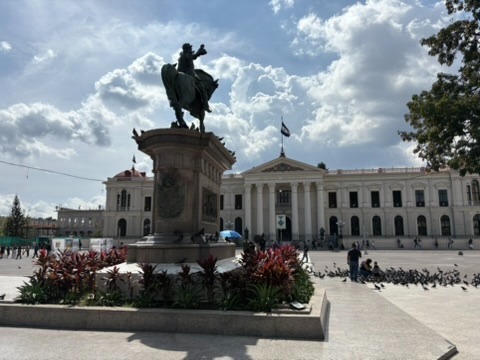
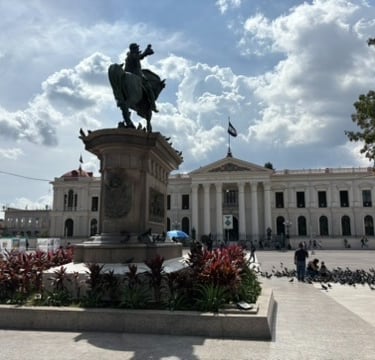
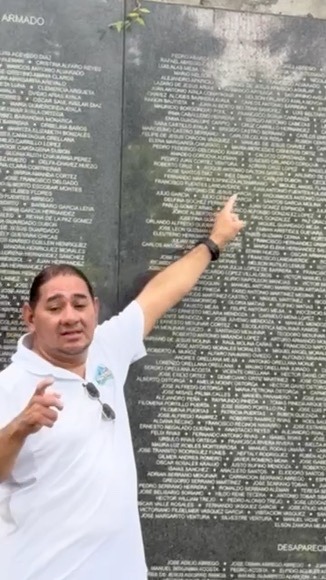
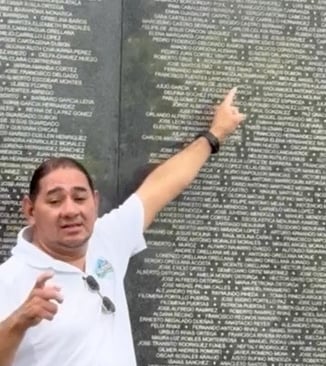
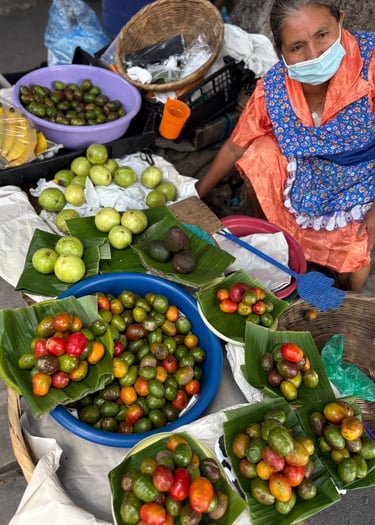
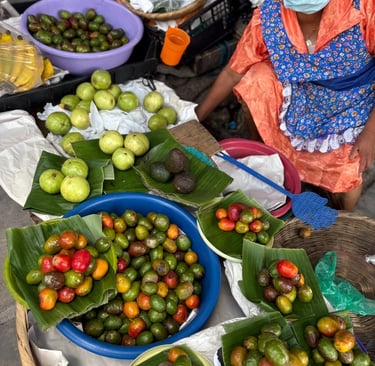
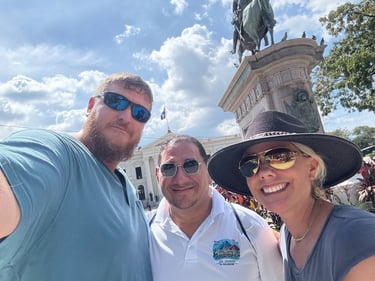
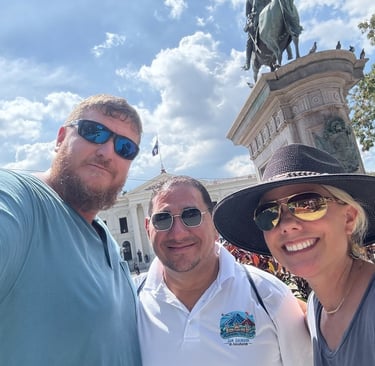
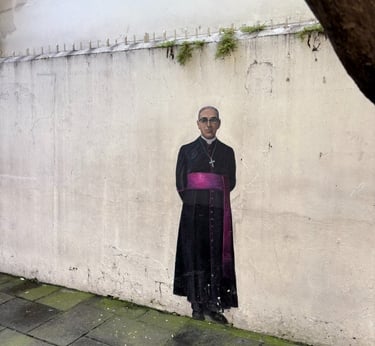
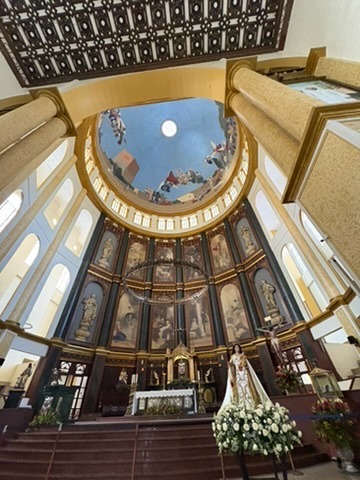
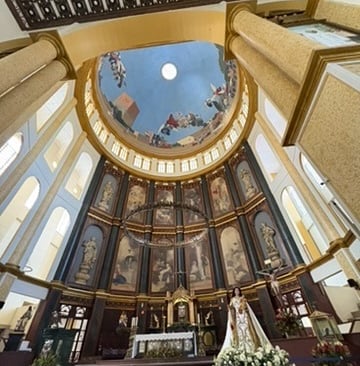
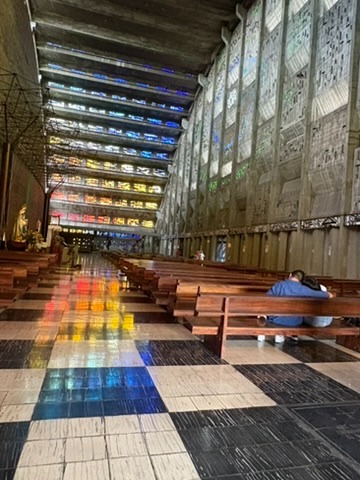
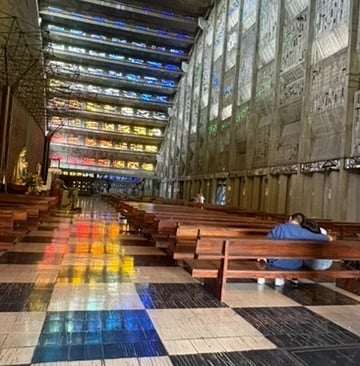
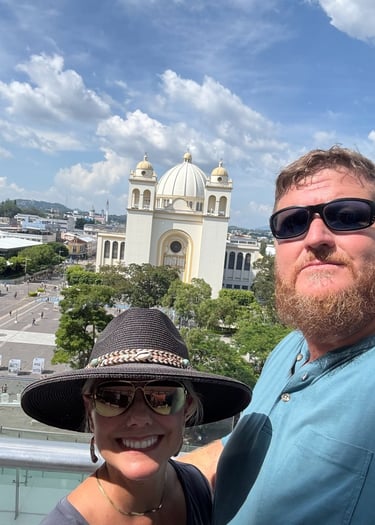
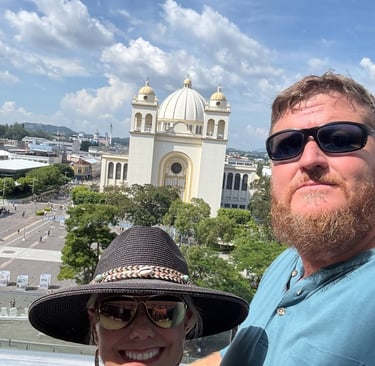
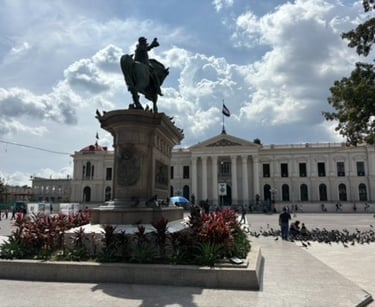
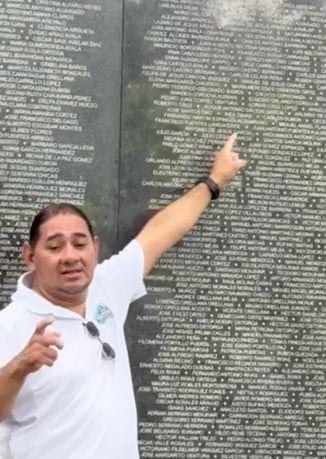
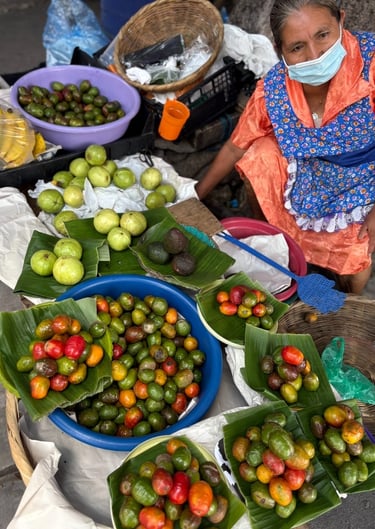
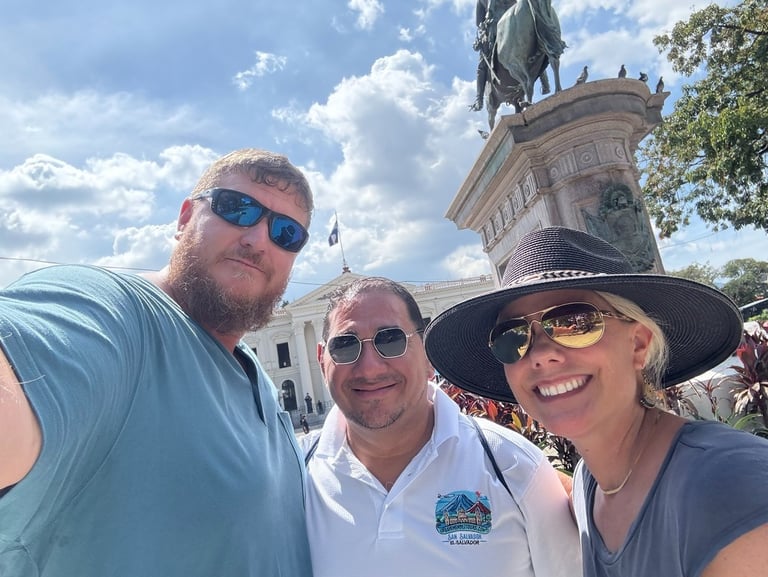
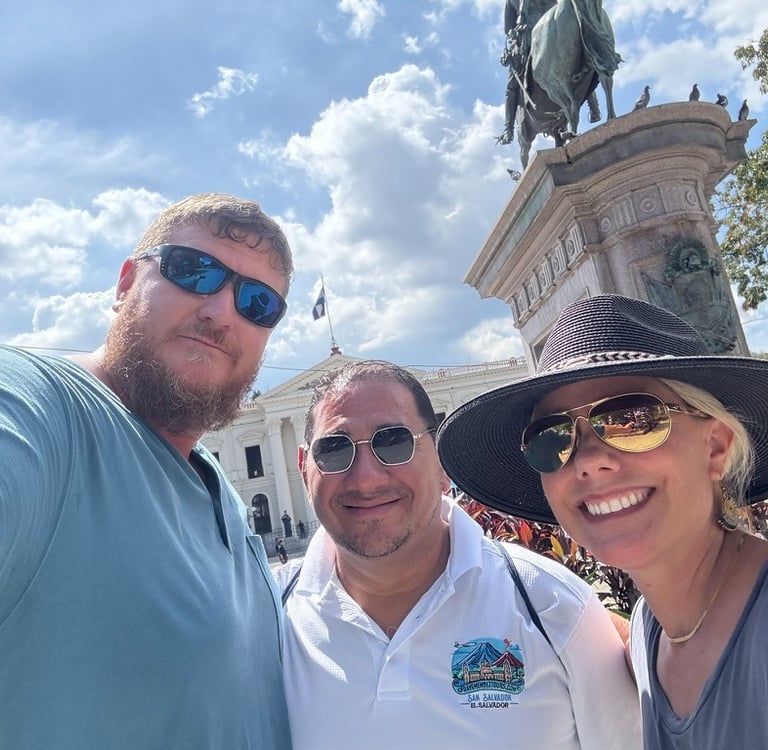
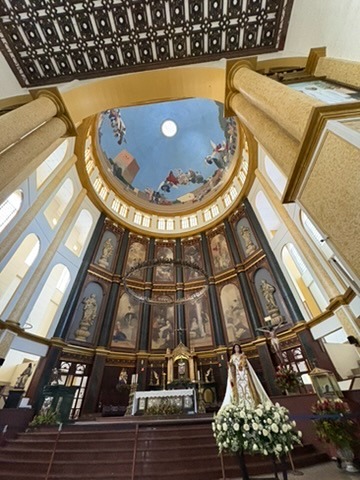
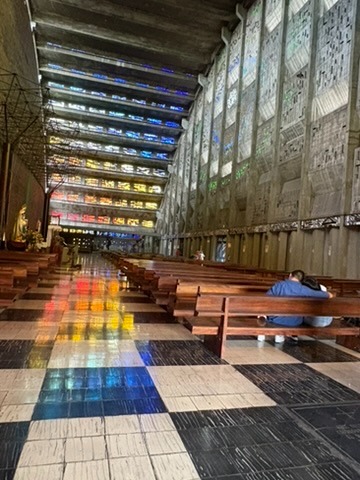
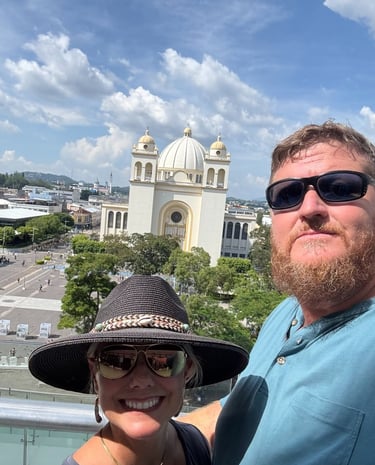
We began our time in San Salvador with a GURU Free Walking Tour led by Dave Mendez, and it immediately set the tone for our experience. Dave is one of the most passionate guides we have met. His tour started at Parque Cuscatlán. He explained how public spaces that were once controlled by gangs are now open, safe, and bustling with families. We walked to the Plaza Gerardo Barrios where the National Palace and the Metropolitan Cathedral tower above the square. He shared stories about Archbishop Óscar Romero whose assassination in 1980 became a defining moment in the nation's civil conflict. From there he led us through markets filled with vendors selling fruit, crafts, and daily necessities, then through streets painted with murals honoring the country’s struggles and rebirth. We saw the Iglesia El Rosario which looks like a concrete bunker from the outside but reveals a rainbow of light inside through its stained glass arches. By the end of the tour we felt like we understood the emotional weight behind El Salvador’s recent changes and why locals speak about the current moment with so much pride. His tour was one of the most inspiring we have ever taken. He also does a food tour which we would have loved to take, but ran out of time. Dave can be reached via whatsapp at: +503 6316 4253.
Much of this change is tied to the leadership of President Nayib Bukele who has become one of the most discussed political figures in the Americas. He launched an aggressive security crackdown that dismantled many of the gangs that once controlled entire neighborhoods. He built new high security prisons and pushed for reforms that required public hospitals and public schools to exceed private standards. English is now becoming part of the national curriculum. Another fascinating program involves eight thousand nonviolent inmates who volunteer to work alongside construction crews across the country. Wearing yellow uniforms and often called “Minions” by locals, they help build roads, paint public spaces, restore buildings, and assist with city improvements. For every day they work, they receive two days off their sentence. It is a controversial but widely supported initiative, and it reflects the country’s desire to rebuild itself quickly. Many believe El Salvador is positioning itself to become the Singapore of the Americas.
Throughout our stay we could feel this energy. People smiled easily, welcomed us everywhere we went, and often asked where we were from and how we were liking their country. We told them honestly that we loved what we were experiencing.
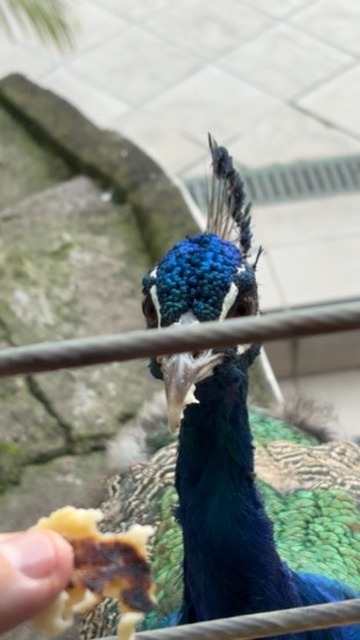
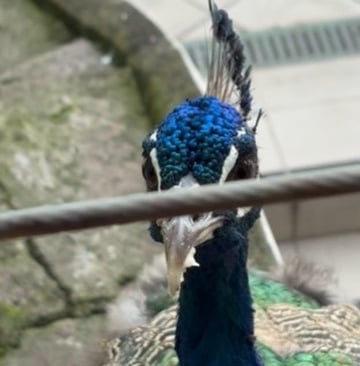
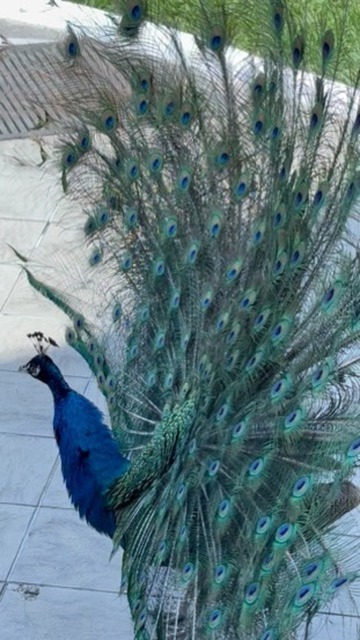
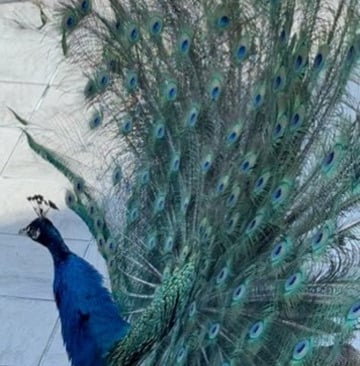
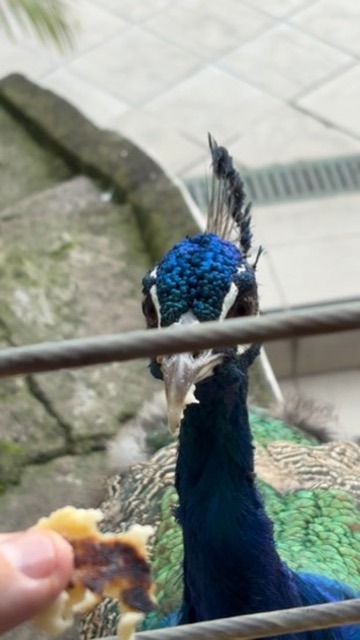
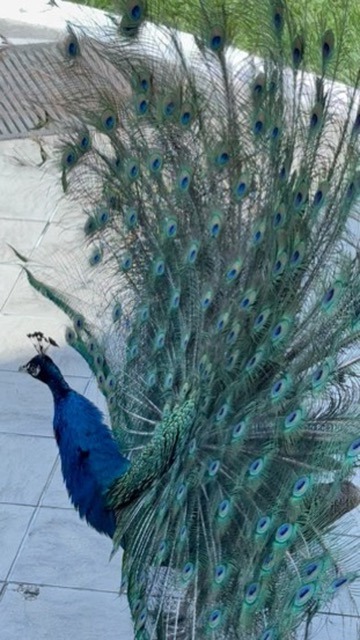
While in the city we stayed at the Sheraton Presidente San Salvador Hotel which became a comforting home base. Our favorite part of the hotel was the breakfast served in the open air restaurant beside the pool. Peacocks wandered across the courtyard while we ate fresh fruit, eggs, and warm papusas made to order. Fun fact- peacocks also like pupusas! It became one of our favorite morning routines in Central America. The rooms were comfortable with everything we needed except a mini fridge, which we learned was available by request. The only downside was the gym which was the worst hotel gym we have seen in a Marriott brand hotel. Fortunately, Metrocentro Mall sits across the street and offers a well-equipped fitness center where day passes are available for only a few dollars. It was a perfect solution.
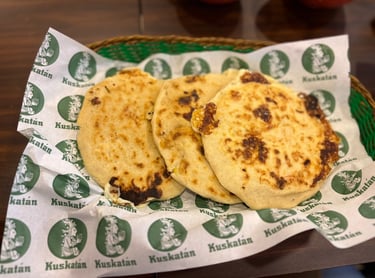
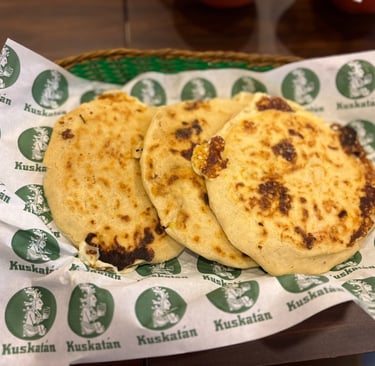
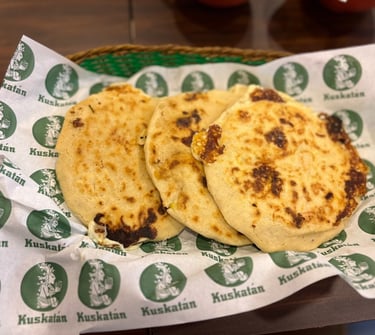
One thing you must eat while in El Salvador is pupusas. They are everywhere, from street stands to restaurants, and they are delicious every single time. Handmade, warm, and filled with cheese, beans, or pork, they quickly became our daily treat.
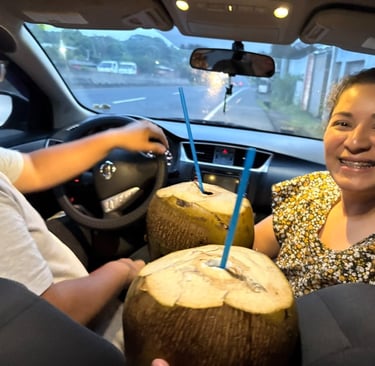
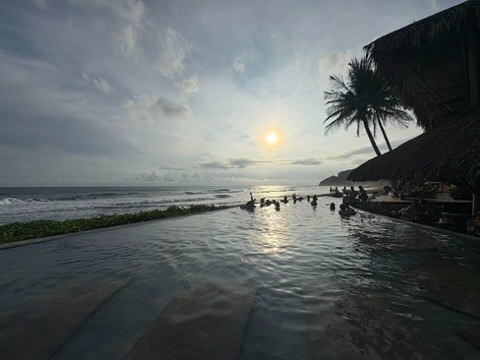
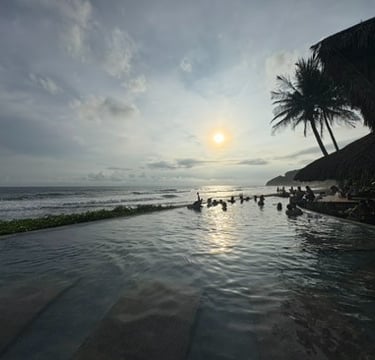
We also took a day trip to Nawi Beach House which felt like discovering a coastal secret. It takes about ninety minutes to reach depending on traffic. You can purchase a day pass that gives access to the pool, lounge chairs, and restaurant. The property overlooks the black sand beaches of the Pacific and offers incredible views while you relax in the pool or sip a cold drink. If we return to El Salvador, we would stay overnight in one of their ocean view suites which are designed almost like luxury treehouses facing the water. Each room has a modern open air feel and private terraces that look unforgettable.
Our time in El Salvador left us thoughtful and hopeful. The country is not perfect and the changes happening now will continue to be debated by the international community. But standing there, walking through its plazas, meeting its people, listening to stories told with pride and relief, it became clear that El Salvador is determined to redefine its narrative. The warmth of the people, the beauty of the landscape, the taste of fresh papusas, the powerful murals, and the feeling of a country stepping into a new chapter made this stop one of the most meaningful of our Central American journey.
If you want a trip filled with culture, resilience, history, and surprising beauty, El Salvador deserves your attention. We are grateful we visited and we look forward to returning to see what this remarkable little country dreams into reality next. If you’re thinking about visiting El Salvador, reach out to us at Tacks Travels. We’d love to help you design a safe, memorable, and authentic trip, just like ours.

“Si la patria es pequeña, uno grande la sueña.” If the homeland is small, one dreams big. Rubén Darío’s words echoed in our minds as we arrived in San Salvador, a city that until recently was known as one of the most dangerous places in the world. That reputation lingers internationally, but what we found on the ground told a very different story. Today El Salvador feels like a country in the middle of a transformation, full of pride, optimism, and determination to shape a new future.
We began our time in San Salvador with a GURU Free Walking Tour led by Dave Mendez, and it immediately set the tone for our experience. Dave is one of the most passionate guides we have met. His tour started at Parque Cuscatlán. He explained how public spaces that were once controlled by gangs are now open, safe, and bustling with families. We walked to the Plaza Gerardo Barrios where the National Palace and the Metropolitan Cathedral tower above the square. He shared stories about Archbishop Óscar Romero whose assassination in 1980 became a defining moment in the nation's civil conflict. From there he led us through markets filled with vendors selling fruit, crafts, and daily necessities, then through streets painted with murals honoring the country’s struggles and rebirth. We saw the Iglesia El Rosario which looks like a concrete bunker from the outside but reveals a rainbow of light inside through its stained glass arches. By the end of the tour we felt like we understood the emotional weight behind El Salvador’s recent changes and why locals speak about the current moment with so much pride. His tour was one of the most inspiring we have ever taken. He also does a food tour which we would have loved to take, but ran out of time. Dave can be reached via whatsapp at: +503 6316 4253.
Much of this change is tied to the leadership of President Nayib Bukele who has become one of the most discussed political figures in the Americas. He launched an aggressive security crackdown that dismantled many of the gangs that once controlled entire neighborhoods. He built new high security prisons and pushed for reforms that required public hospitals and public schools to exceed private standards. English is now becoming part of the national curriculum. Another fascinating program involves eight thousand nonviolent inmates who volunteer to work alongside construction crews across the country. Wearing yellow uniforms and often called “Minions” by locals, they help build roads, paint public spaces, restore buildings, and assist with city improvements. For every day they work, they receive two days off their sentence. It is a controversial but widely supported initiative, and it reflects the country’s desire to rebuild itself quickly. Many believe El Salvador is positioning itself to become the Singapore of the Americas.
Throughout our stay we could feel this energy. People smiled easily, welcomed us everywhere we went, and often asked where we were from and how we were liking their country. We told them honestly that we loved what we were experiencing.
While in the city we stayed at the Sheraton Presidente San Salvador Hotel which became a comforting home base. Our favorite part of the hotel was the breakfast served in the open air restaurant beside the pool. Peacocks wandered across the courtyard while we ate fresh fruit, eggs, and warm papusas made to order. Fun fact- peacocks also like pupusas! It became one of our favorite morning routines in Central America. The rooms were comfortable with everything we needed except a mini fridge, which we learned was available by request. The only downside was the gym which was the worst hotel gym we have seen in a Marriott brand hotel. Fortunately, Metrocentro Mall sits across the street and offers a well-equipped fitness center where day passes are available for only a few dollars. It was a perfect solution.
One thing you must eat while in El Salvador is pupusas. They are everywhere, from street stands to restaurants, and they are delicious every single time. Handmade, warm, and filled with cheese, beans, or pork, they quickly became our daily treat.
We also took a day trip to Nawi Beach House which felt like discovering a coastal secret. It takes about ninety minutes to reach depending on traffic. You can purchase a day pass that gives access to the pool, lounge chairs, and restaurant. The property overlooks the black sand beaches of the Pacific and offers incredible views while you relax in the pool or sip a cold drink. If we return to El Salvador, we would stay overnight in one of their ocean view suites which are designed almost like luxury treehouses facing the water. Each room has a modern open air feel and private terraces that look unforgettable.
Our time in El Salvador left us thoughtful and hopeful. The country is not perfect and the changes happening now will continue to be debated by the international community. But standing there, walking through its plazas, meeting its people, listening to stories told with pride and relief, it became clear that El Salvador is determined to redefine its narrative. The warmth of the people, the beauty of the landscape, the taste of fresh papusas, the powerful murals, and the feeling of a country stepping into a new chapter made this stop one of the most meaningful of our Central American journey.
If you want a trip filled with culture, resilience, history, and surprising beauty, El Salvador deserves your attention. We are grateful we visited and we look forward to returning to see what this remarkable little country dreams into reality next. If you’re thinking about visiting El Salvador, reach out to us at Tacks Travels. We’d love to help you design a safe, memorable, and authentic trip, just like ours.
info@allinglobaltravel.com