
Manila: History, Markets, and Big City Comforts
“The youth is the hope of our future.” José Rizal
1/30/20269 min read
Manila is a city of contrasts, and that is exactly what makes it interesting. After weeks of island hopping, beaches, and remote destinations, spending time in Manila felt like a reset. It brought back the comforts of a big city while still offering deep history, incredible food, and moments that stay with you long after you leave.
We stayed for a couple of weeks in Makati, which is the main business district of Manila. Choosing Makati made a huge difference in our experience. It felt safer, cleaner, and far more convenient than other areas of the city. Makati has a polished, international feel, with wide sidewalks, modern buildings, and everything you need within walking distance. It reminded us that Manila is a global city, even if that side of it is not always what people picture first.
One of the highlights of staying in Makati was having access to Greenbelt, a large and beautifully designed shopping and dining area. Greenbelt has everything from high end international brands to familiar Western clothing stores, along with restaurants from all over the world. After spending time on smaller islands with limited options, it was genuinely enjoyable to have access to great restaurants, well equipped gyms, massages, and grocery stores that carried familiar items. Seeing Anytime Fitness locations scattered throughout the city was a nice reminder of how easy it is to maintain normal routines in Makati, even while traveling.
Another standout experience was visiting SM Mall of Asia. This mall is massive and is considered one of the largest shopping malls in all of Asia. It feels more like a small city than a mall, with endless shops, entertainment, and dining options spread across multiple levels. The food court alone is worth a visit, offering a wide range of Filipino and international dishes at very reasonable prices. One of our favorite grocery stores was also attached to the mall, which made it easy to stock up on anything we needed in one stop. Between shopping, eating, and people watching, it is easy to spend several hours here without realizing how much time has passed.
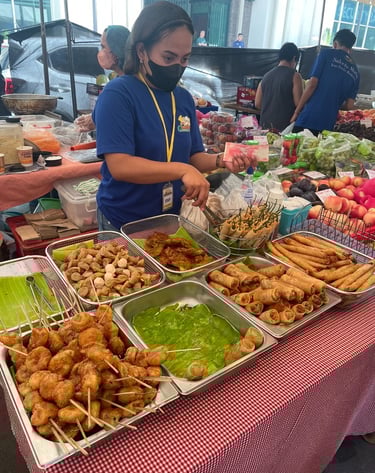
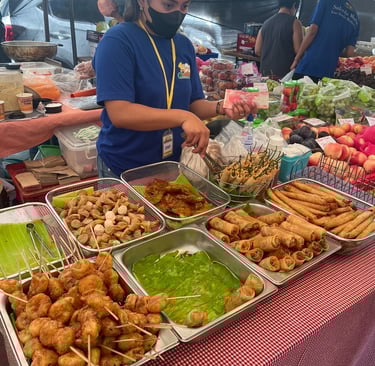
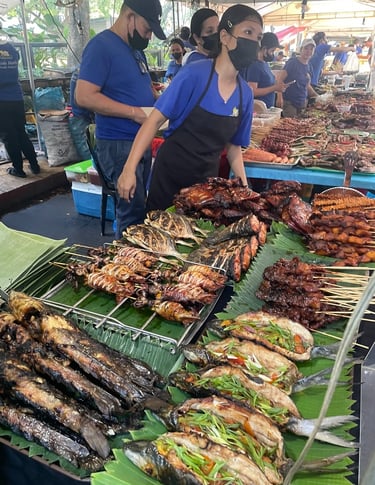
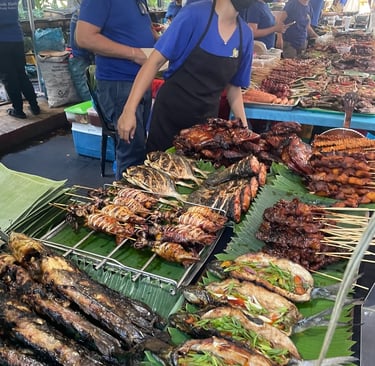
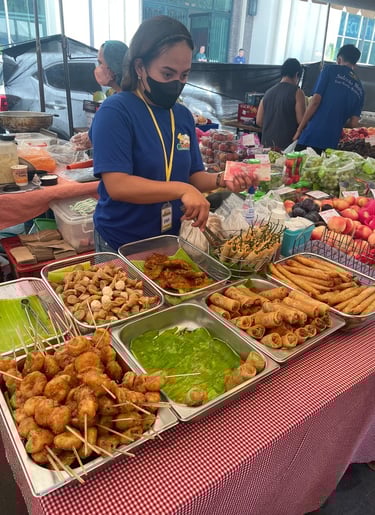
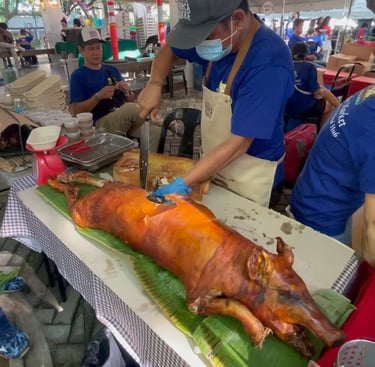
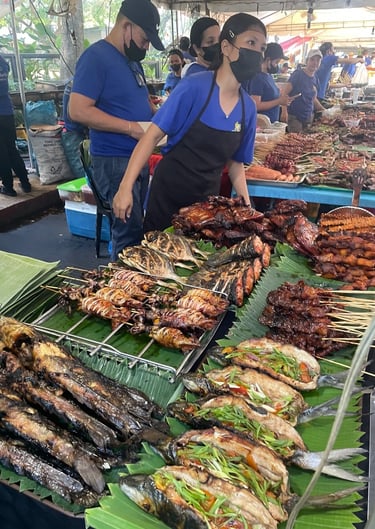
One of our favorite local experiences in Manila was visiting the Salcedo Weekend Market. It is open only on Sundays from seven in the morning until two in the afternoon and is filled with locals selling freshly prepared food. Filipino cuisine may be some of our favorite food in the world, and this market is one of the best places to experience it. Pork lechon, which is slow roasted pork with incredibly crispy skin and tender meat, is a standout and a must try. Pancit noodles are comforting and flavorful, while lumpia are crispy fried rolls filled with meat and vegetables that disappear quickly once they hit the table. And of course there is adobo, the national dish of the Philippines, made with either chicken or pork simmered in vinegar, soy sauce, garlic, and spices. I’ll never forget the first time my Aunt made me chicken adobo when I was about 10 years old. The garlic and vinegar were amazing together and I fell in love with Filipino food at that point!
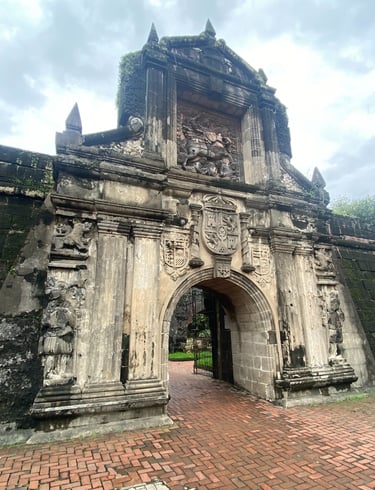
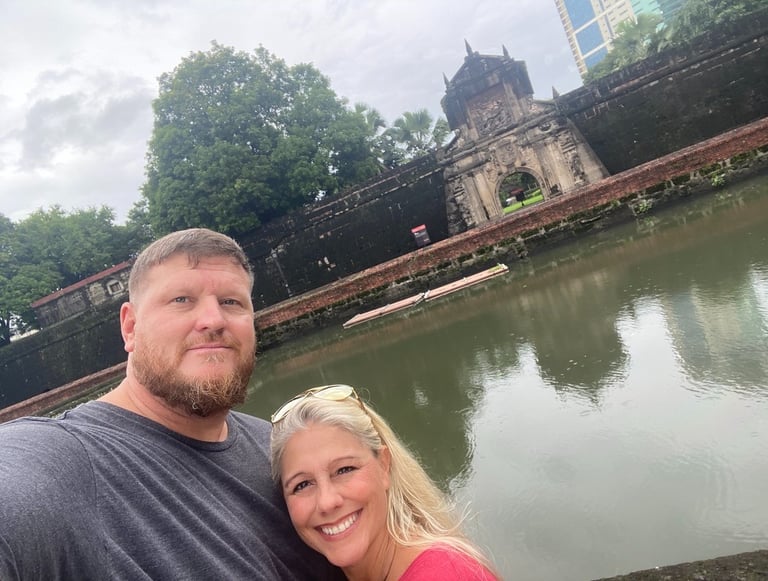
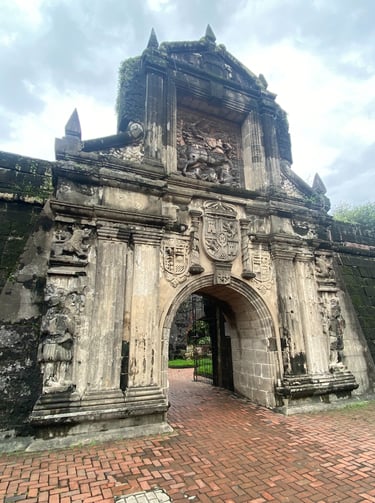
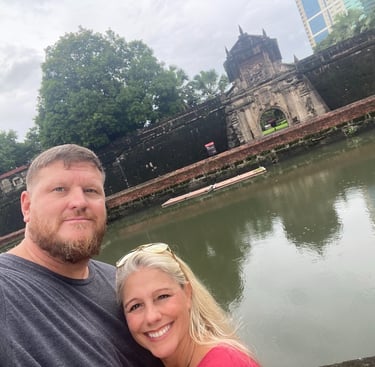
No trip to Manila is complete without visiting Intramuros, the historic walled city that represents the heart of old Manila. Walking through Intramuros feels like stepping into a different era. The stone walls, narrow streets, and colonial architecture tell the story of the city’s Spanish past. Within Intramuros, Fort Santiago is one of the most important historical sites. Built in the late 1500s, the fort served as a military stronghold and played a significant role during Spanish rule, World War II, and the Japanese occupation. It is also where national hero José Rizal was imprisoned before his execution, making it a deeply meaningful place in Philippine history.
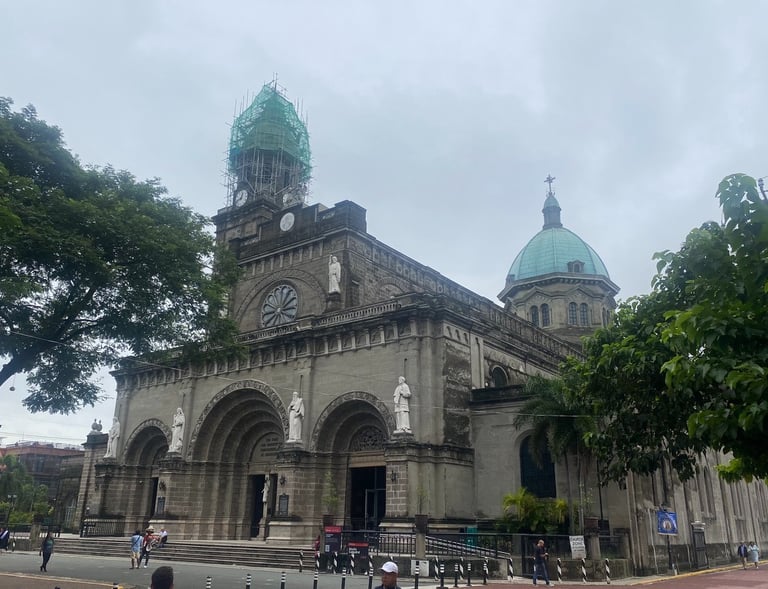
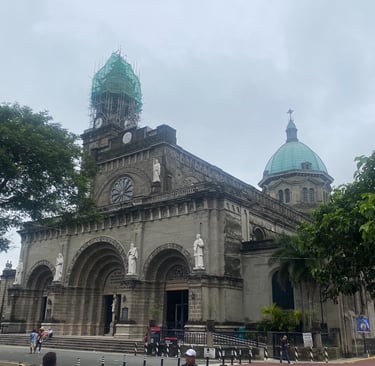
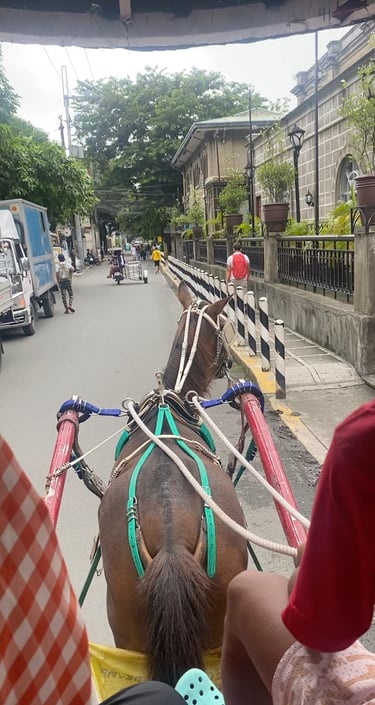
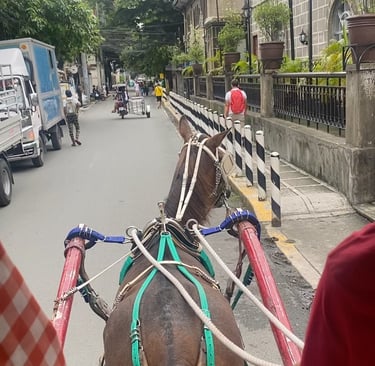
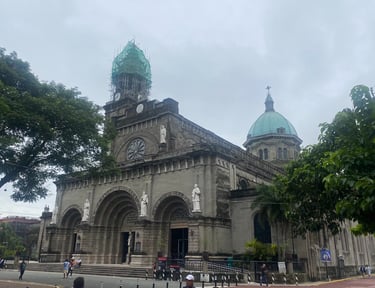
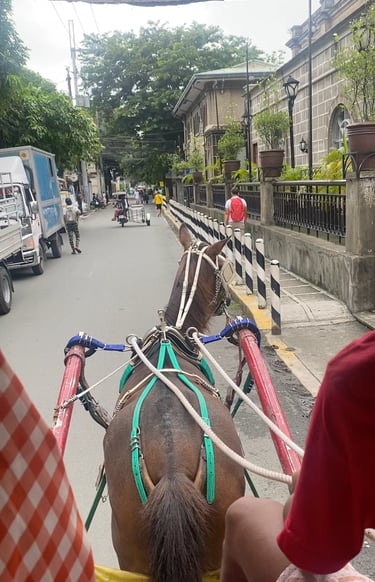
While in Intramuros, you should also visit Manila Cathedral. The original cathedral was established in 1571 and has been rebuilt multiple times due to earthquakes and wars. What stands today is both beautiful and imposing, and it remains an important religious and cultural symbol of the city. One of the best ways to see Intramuros is by renting a horse drawn carriage, which you will find waiting outside the cathedral. Before committing, make sure the guide speaks good English. We recommend asking a few basic trivia questions first to make sure communication will be easy. The ride is not expensive and is a relaxed, enjoyable way to see the entire area while learning about its history.
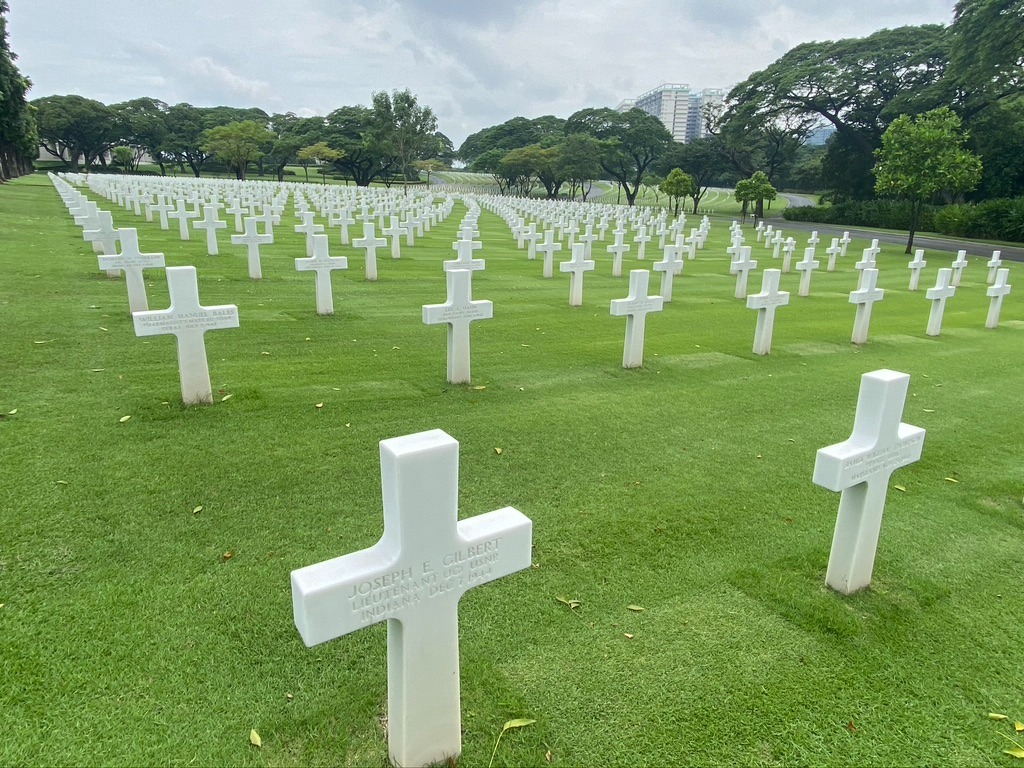
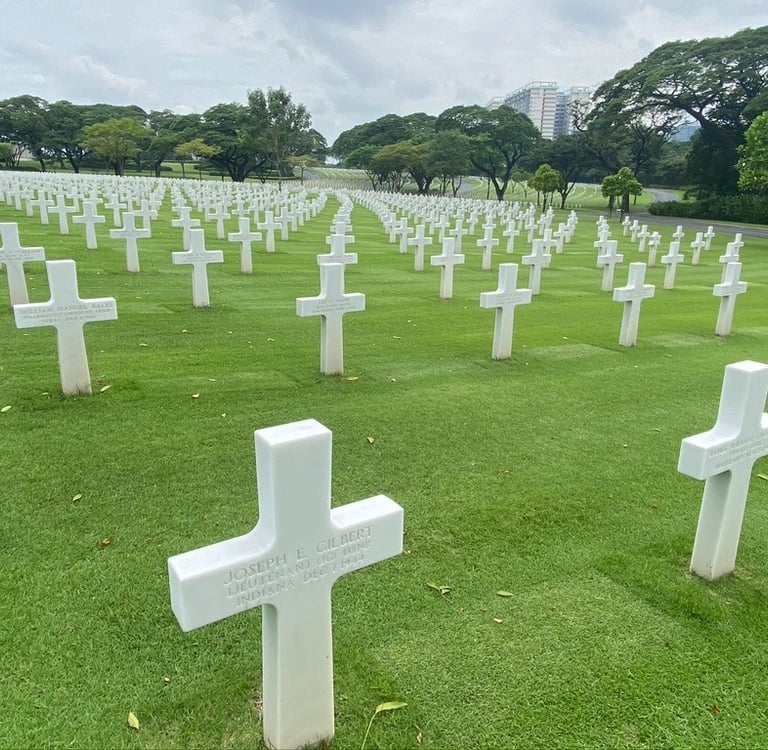
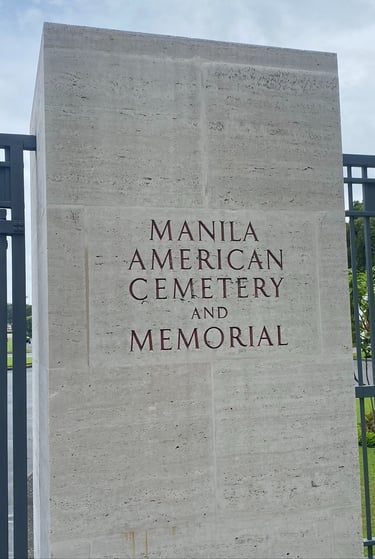
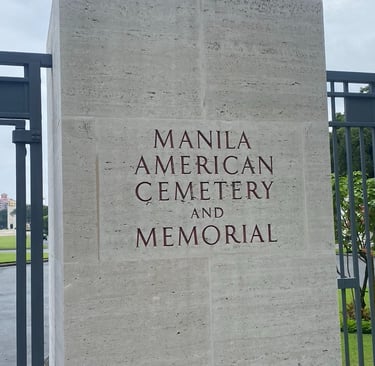
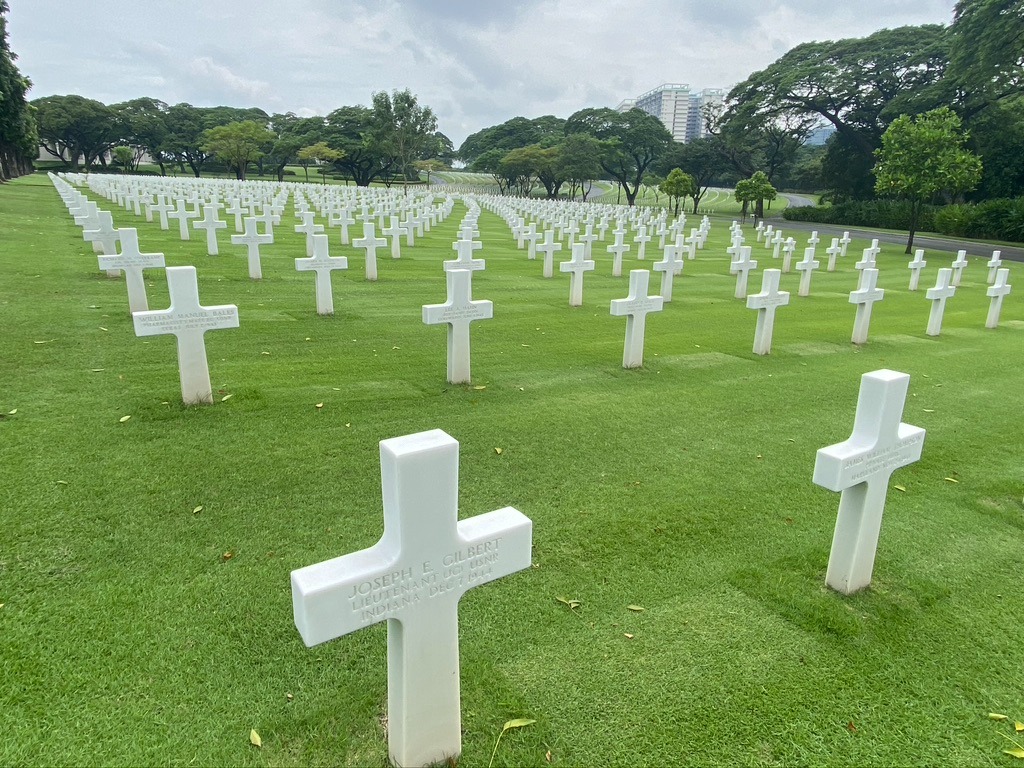
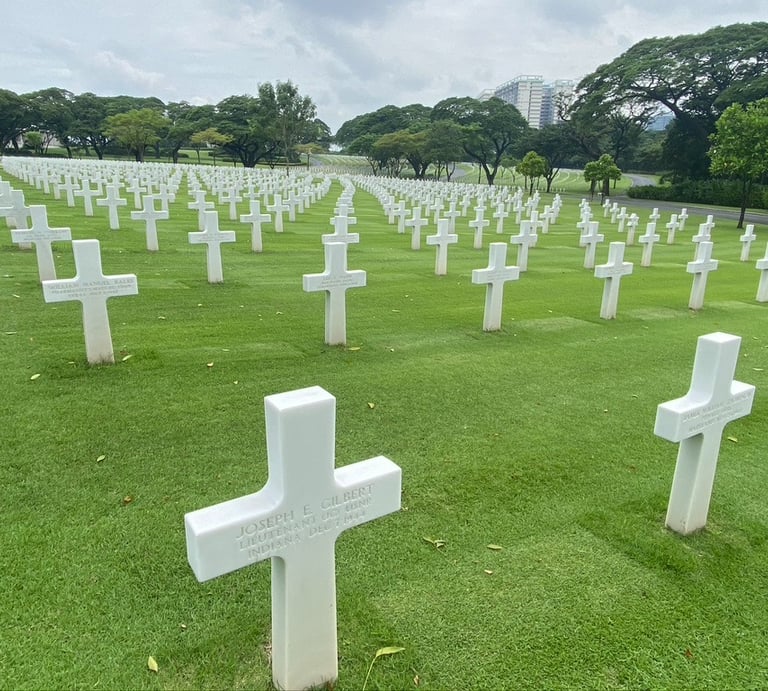
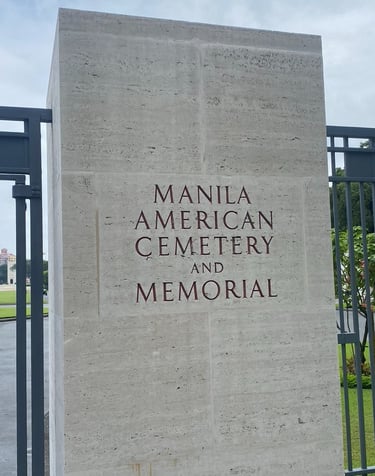
One of the most moving experiences in Manila is visiting the American Military Cemetery. This was my second time visiting both Manila and this cemetery, and it was just as impactful as the first. The Manila American Cemetery is the largest American cemetery outside of the United States, with more than seventeen thousand white marble headstones laid out across perfectly maintained grounds. It honors American and Filipino soldiers who lost their lives during World War II, particularly in the Pacific theater. The setting is peaceful and beautifully maintained, creating a quiet space for reflection. The memorial walls list the names of those missing in action, and the visitor center does an excellent job explaining the history and significance of the site. It is a powerful reminder of the sacrifices made and a place that leaves a lasting impression.
Manila surprised us in the best way. Between the modern comforts of Makati, the incredible food, the depth of history in Intramuros, and the emotional impact of the American Military Cemetery, it offered far more than we expected. It is a city that rewards curiosity and patience, especially when you choose the right neighborhood as your base.
If you are planning a trip to the Philippines and wondering how Manila fits into your itinerary, or if you have questions about where to stay, what to see, or how long to spend here, contact Tacks Travels. We are happy to help you plan a visit that balances comfort, culture, and meaningful experiences in one of Southeast Asia’s most complex and fascinating cities.
Manila is a city of contrasts, and that is exactly what makes it interesting. After weeks of island hopping, beaches, and remote destinations, spending time in Manila felt like a reset. It brought back the comforts of a big city while still offering deep history, incredible food, and moments that stay with you long after you leave.
We stayed for a couple of weeks in Makati, which is the main business district of Manila. Choosing Makati made a huge difference in our experience. It felt safer, cleaner, and far more convenient than other areas of the city. Makati has a polished, international feel, with wide sidewalks, modern buildings, and everything you need within walking distance. It reminded us that Manila is a global city, even if that side of it is not always what people picture first.
One of the highlights of staying in Makati was having access to Greenbelt, a large and beautifully designed shopping and dining area. Greenbelt has everything from high end international brands to familiar Western clothing stores, along with restaurants from all over the world. After spending time on smaller islands with limited options, it was genuinely enjoyable to have access to great restaurants, well equipped gyms, massages, and grocery stores that carried familiar items. Seeing Anytime Fitness locations scattered throughout the city was a nice reminder of how easy it is to maintain normal routines in Makati, even while traveling.
Another standout experience was visiting SM Mall of Asia. This mall is massive and is considered one of the largest shopping malls in all of Asia. It feels more like a small city than a mall, with endless shops, entertainment, and dining options spread across multiple levels. The food court alone is worth a visit, offering a wide range of Filipino and international dishes at very reasonable prices. One of our favorite grocery stores was also attached to the mall, which made it easy to stock up on anything we needed in one stop. Between shopping, eating, and people watching, it is easy to spend several hours here without realizing how much time has passed.
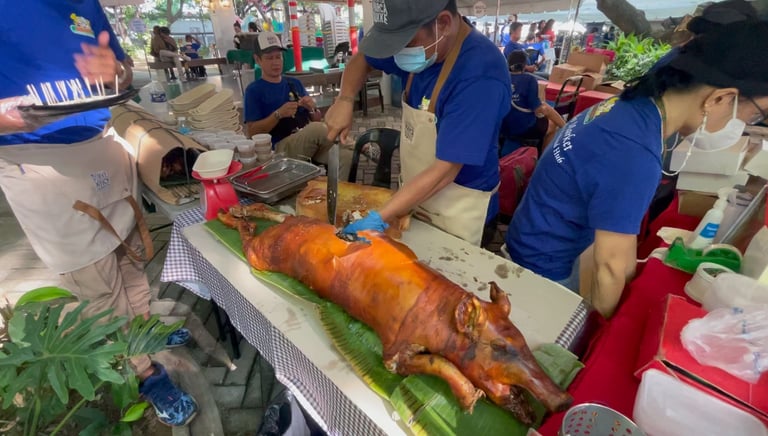
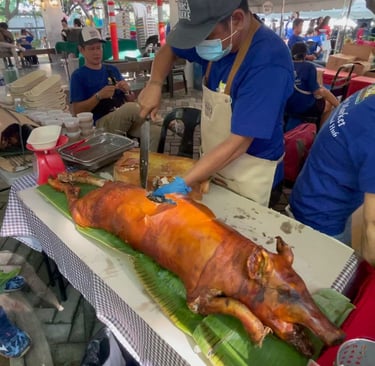
One of our favorite local experiences in Manila was visiting the Salcedo Weekend Market. It is open only on Sundays from seven in the morning until two in the afternoon and is filled with locals selling freshly prepared food. Filipino cuisine may be some of our favorite food in the world, and this market is one of the best places to experience it. Pork lechon, which is slow roasted pork with incredibly crispy skin and tender meat, is a standout and a must try. Pancit noodles are comforting and flavorful, while lumpia are crispy fried rolls filled with meat and vegetables that disappear quickly once they hit the table. And of course there is adobo, the national dish of the Philippines, made with either chicken or pork simmered in vinegar, soy sauce, garlic, and spices. I’ll never forget the first time my Aunt made me chicken adobo when I was about 10 years old. The garlic and vinegar were amazing together and I fell in love with Filipino food at that point!
No trip to Manila is complete without visiting Intramuros, the historic walled city that represents the heart of old Manila. Walking through Intramuros feels like stepping into a different era. The stone walls, narrow streets, and colonial architecture tell the story of the city’s Spanish past. Within Intramuros, Fort Santiago is one of the most important historical sites. Built in the late 1500s, the fort served as a military stronghold and played a significant role during Spanish rule, World War II, and the Japanese occupation. It is also where national hero José Rizal was imprisoned before his execution, making it a deeply meaningful place in Philippine history.
While in Intramuros, you should also visit Manila Cathedral. The original cathedral was established in 1571 and has been rebuilt multiple times due to earthquakes and wars. What stands today is both beautiful and imposing, and it remains an important religious and cultural symbol of the city. One of the best ways to see Intramuros is by renting a horse drawn carriage, which you will find waiting outside the cathedral. Before committing, make sure the guide speaks good English. We recommend asking a few basic trivia questions first to make sure communication will be easy. The ride is not expensive and is a relaxed, enjoyable way to see the entire area while learning about its history.
One of the most moving experiences in Manila is visiting the American Military Cemetery. This was my second time visiting both Manila and this cemetery, and it was just as impactful as the first. The Manila American Cemetery is the largest American cemetery outside of the United States, with more than seventeen thousand white marble headstones laid out across perfectly maintained grounds. It honors American and Filipino soldiers who lost their lives during World War II, particularly in the Pacific theater. The setting is peaceful and beautifully maintained, creating a quiet space for reflection. The memorial walls list the names of those missing in action, and the visitor center does an excellent job explaining the history and significance of the site. It is a powerful reminder of the sacrifices made and a place that leaves a lasting impression.
Manila surprised us in the best way. Between the modern comforts of Makati, the incredible food, the depth of history in Intramuros, and the emotional impact of the American Military Cemetery, it offered far more than we expected. It is a city that rewards curiosity and patience, especially when you choose the right neighborhood as your base.
If you are planning a trip to the Philippines and wondering how Manila fits into your itinerary, or if you have questions about where to stay, what to see, or how long to spend here, contact Tacks Travels. We are happy to help you plan a visit that balances comfort, culture, and meaningful experiences in one of Southeast Asia’s most complex and fascinating cities.
info@allinglobaltravel.com