
Martinique: A French Caribbean Island That is French…..Need I say More?
“Expectation is the root of all heartache.” William Shakespeare
4/6/20263 min read
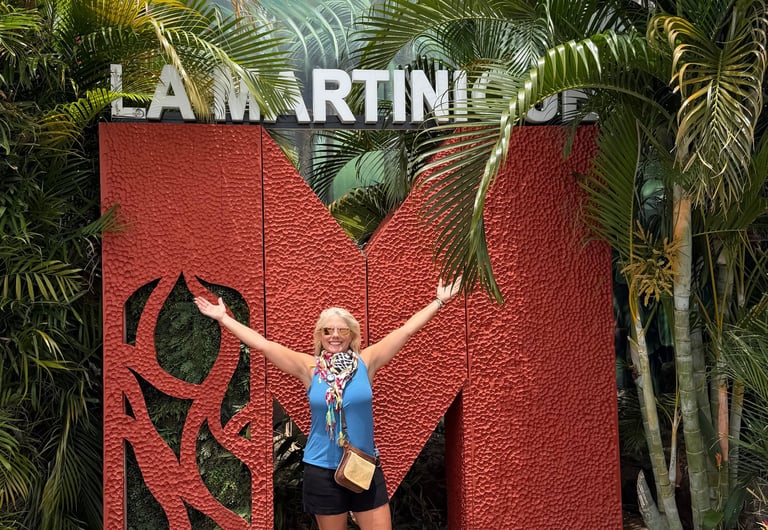
If we were to rank the islands we have visited in the Caribbean, Martinique may rank as the lowest. Maybe it has to do with its French roots and overall crusty attitude, but we just were not impressed.
Martinique is a French overseas department, which means it is officially part of France. The island uses the euro, French is the primary language, and the culture leans heavily European rather than Caribbean. It was colonized by the French in the 1600s and remained under French control ever since, aside from a brief British occupation. Today, it blends French infrastructure with Caribbean geography, but for us, it lacked some of the warmth and energy we have experienced on other islands.
For our day in Martinique, we kept things simple and did a self guided walking tour around the downtown area of Fort-de-France, which is right where the cruise port is located.
One of the first stops you can make is Fort Saint Louis, which sits just steps from the port. Originally built in the 1600s, the fort was designed to protect the harbor and remains an active French naval base today. Because it is still in use, access is limited, but you can walk around the exterior and get a good sense of its historical importance and strategic location. If you look closely, you may see white flags flying which is a French tradition when it comes to warfare.
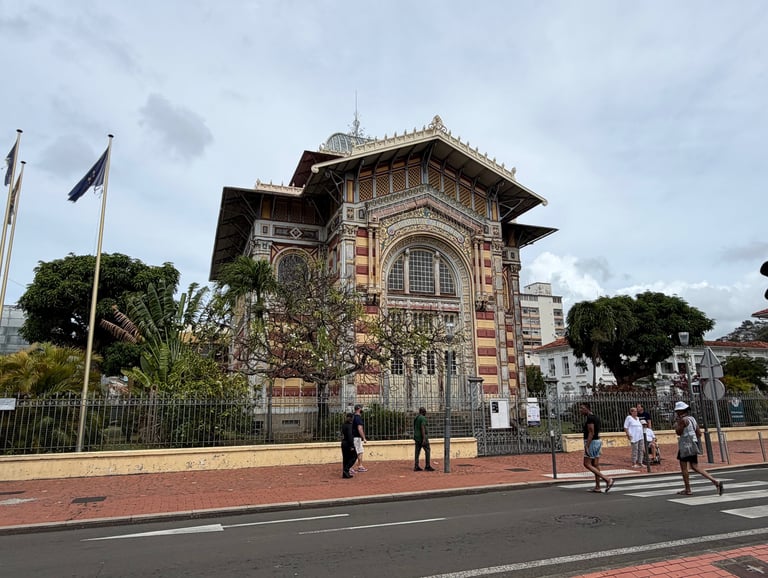
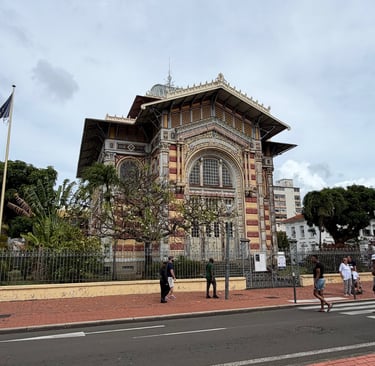
From there, we made our way to the Bibliothèque Schoelcher. This is one of the more unique buildings on the island. It was originally constructed in Paris in the late 1800s and later shipped piece by piece to Martinique. It was named after Victor Schoelcher, a French abolitionist who played a major role in ending slavery in the French colonies. The architecture stands out immediately with its ornate design and colorful exterior, making it one of the more photogenic spots in the city.
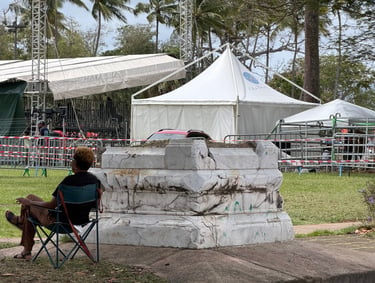
One of the more surprising things we learned is that Martinique is the birthplace of Joséphine, Napoleon Bonaparte’s first wife. She was born in the nearby town of Les Trois-Ilets. Across from the library, there was once a statue honoring her. In 1991, locals beheaded the statue as a protest against her association with the reintroduction of slavery in the French colonies during Napoleon’s rule. When we went to see it, the statue had been completely removed from the pedestal, reflecting the island’s complicated relationship with its colonial past.
We continued our walking tour through the city, passing by the Town Hall and the Municipal Theatre before stopping for an espresso. Since the island is French, we were expecting charming cafes with great coffee and pastries. That was not the case.
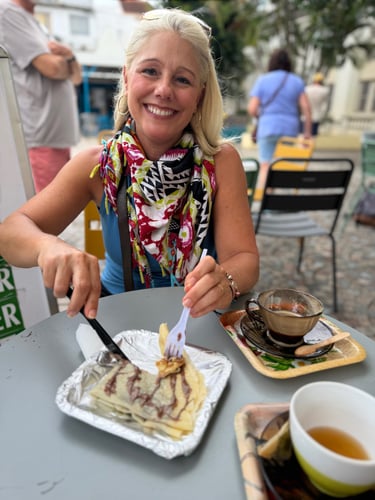
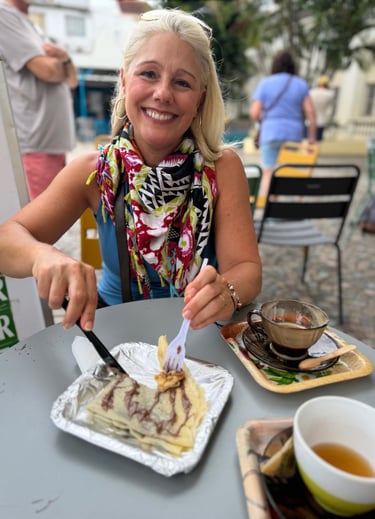
We did find an area in the main square with tables and chairs and ordered crepes, which were actually very good. However, we quickly noticed that the coffee was being made using a Keurig style machine, similar to what you would have at home. There was nothing special about it, yet the prices were high and did not match the experience we were hoping for.
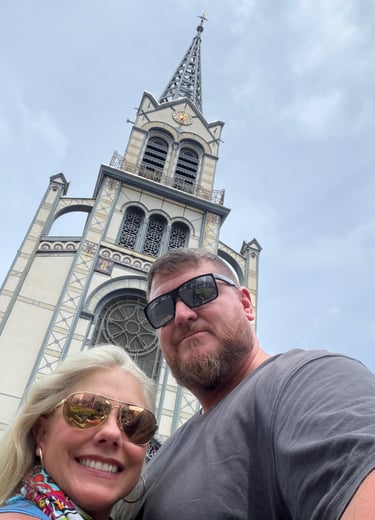
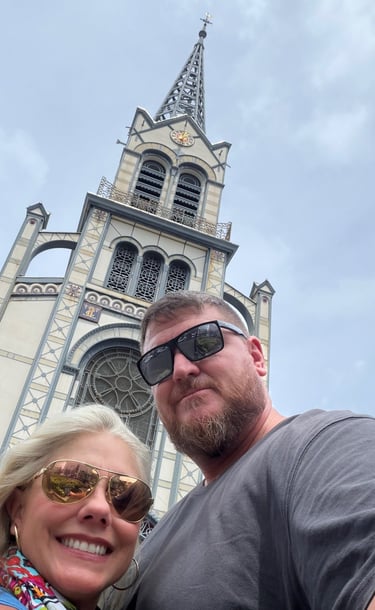
Continuing on, we passed the Courthouse where there is a statue honoring Victor Schoelcher, and then made our way to Saint Louis Cathedral. It is a beautiful church and one of the key landmarks in Fort-de-France. Unfortunately, since it was the day before Easter, it was closed for cleaning and no visitors were allowed inside.
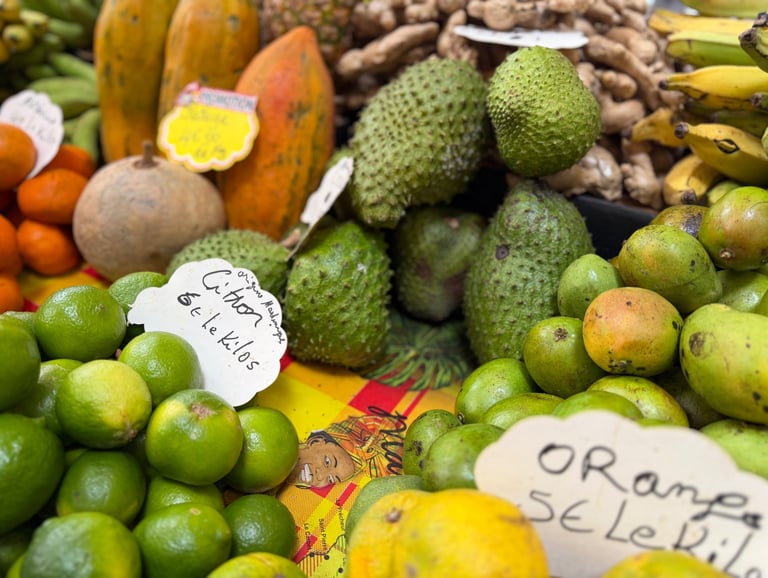
At the end of our walking tour, there was still time to do some shopping, including a visit to the local covered market, which offers a mix of spices, souvenirs, and local goods.
All in all, we are glad we visited Martinique, but it is not an island we will rush back to. It offers some interesting history and a different cultural feel compared to other Caribbean destinations, but for us, it lacked the overall experience that makes an island one we cannot wait to return to.

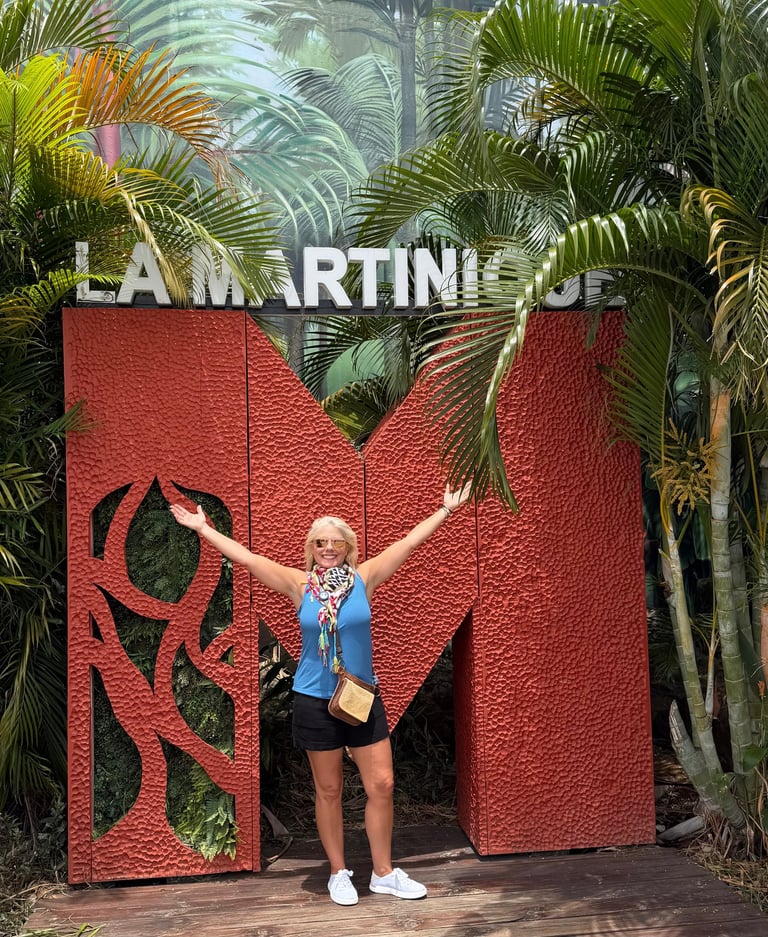
If we were to rank the islands we have visited in the Caribbean, Martinique may rank as the lowest. Maybe it has to do with its French roots and overall crusty attitude, but we just were not impressed.
Martinique is a French overseas department, which means it is officially part of France. The island uses the euro, French is the primary language, and the culture leans heavily European rather than Caribbean. It was colonized by the French in the 1600s and remained under French control ever since, aside from a brief British occupation. Today, it blends French infrastructure with Caribbean geography, but for us, it lacked some of the warmth and energy we have experienced on other islands.
For our day in Martinique, we kept things simple and did a self guided walking tour around the downtown area of Fort-de-France, which is right where the cruise port is located.
One of the first stops you can make is Fort Saint Louis, which sits just steps from the port. Originally built in the 1600s, the fort was designed to protect the harbor and remains an active French naval base today. Because it is still in use, access is limited, but you can walk around the exterior and get a good sense of its historical importance and strategic location. If you look closely, you may see white flags flying which is a French tradition when it comes to warfare.
From there, we made our way to the Bibliothèque Schoelcher. This is one of the more unique buildings on the island. It was originally constructed in Paris in the late 1800s and later shipped piece by piece to Martinique. It was named after Victor Schoelcher, a French abolitionist who played a major role in ending slavery in the French colonies. The architecture stands out immediately with its ornate design and colorful exterior, making it one of the more photogenic spots in the city.
One of the more surprising things we learned is that Martinique is the birthplace of Joséphine, Napoleon Bonaparte’s first wife. She was born in the nearby town of Les Trois-Ilets. Across from the library, there was once a statue honoring her. In 1991, locals beheaded the statue as a protest against her association with the reintroduction of slavery in the French colonies during Napoleon’s rule. When we went to see it, the statue had been completely removed from the pedestal, reflecting the island’s complicated relationship with its colonial past.
We continued our walking tour through the city, passing by the Town Hall and the Municipal Theatre before stopping for an espresso. Since the island is French, we were expecting charming cafes with great coffee and pastries. That was not the case.
We did find an area in the main square with tables and chairs and ordered crepes, which were actually very good. However, we quickly noticed that the coffee was being made using a Keurig style machine, similar to what you would have at home. There was nothing special about it, yet the prices were high and did not match the experience we were hoping for.
Continuing on, we passed the Courthouse where there is a statue honoring Victor Schoelcher, and then made our way to Saint Louis Cathedral. It is a beautiful church and one of the key landmarks in Fort-de-France. Unfortunately, since it was the day before Easter, it was closed for cleaning and no visitors were allowed inside.
At the end of our walking tour, there was still time to do some shopping, including a visit to the local covered market, which offers a mix of spices, souvenirs, and local goods.
All in all, we are glad we visited Martinique, but it is not an island we will rush back to. It offers some interesting history and a different cultural feel compared to other Caribbean destinations, but for us, it lacked the overall experience that makes an island one we cannot wait to return to.
info@allinglobaltravel.com