
Quebec City: A European Experience Without Crossing the Ocean
"Vive le Québec libre!" (Long live free Quebec!) French President Charles de Gaulle in 1967
7/25/20259 min read
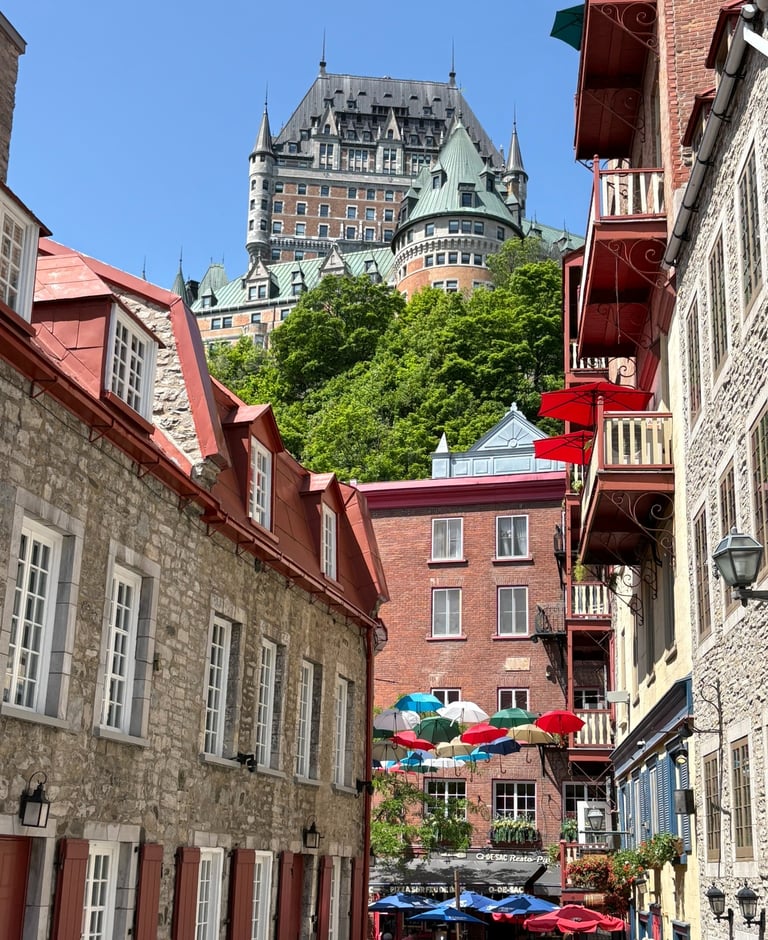
Quebec City feels unlike anywhere else in North America. From the moment you arrive, it feels more European than Canadian, with stone buildings, narrow streets, and a pace that encourages you to slow down and take it all in. It is one of those cities that rewards walking, curiosity, and unstructured time, and it quickly became one of our favorite stops during our travels through Eastern Canada.
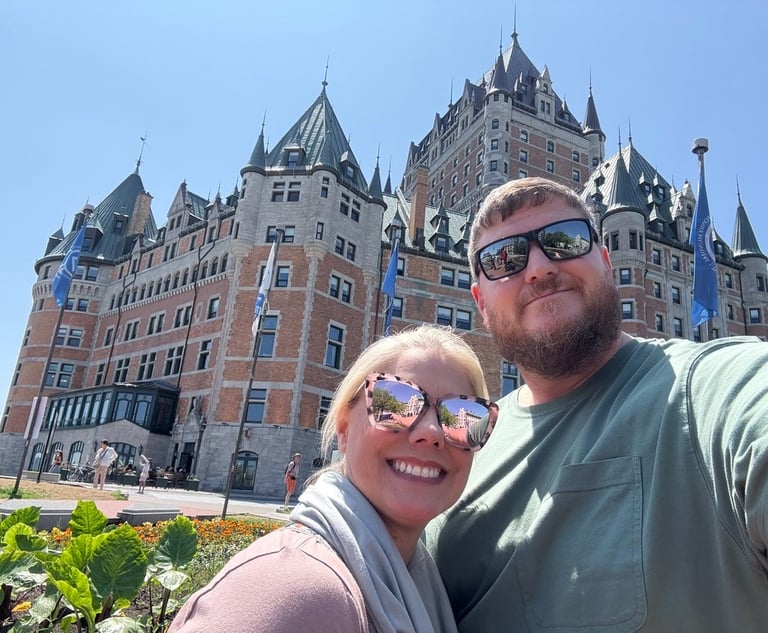
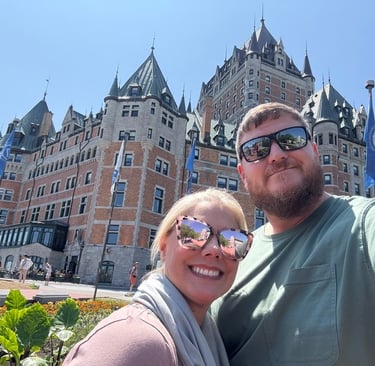
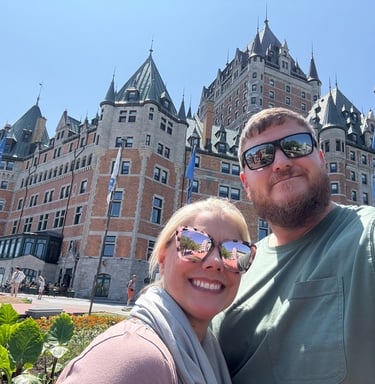
During our visit, we stayed at the Marriott Delta Hotel. The hotel offered a secure parking garage, which was helpful since we were driving, but overall the Bonvoy benefits were lacking. While the hotel was fine, it would not be our choice if we returned. If we were to visit Quebec City again, we would stay at the Fairmont Le Château Frontenac. This iconic, castle-like hotel sits in the heart of Old Quebec and overlooks the St. Lawrence River. It is stunning in person and surprisingly not much more expensive than surrounding hotels. Its location alone makes it worth it, with incredible views, immediate access to Old Town, and a sense that you are staying inside the city’s history rather than just visiting it.
One of the best ways to experience Quebec City is on foot, and we highly recommend taking a guided walking tour of Old Quebec. We joined an Old Quebec City Walking Tour, and it was one of the highlights of our visit. Walking with a knowledgeable local guide brought the city’s history to life in a way that wandering on your own simply cannot.
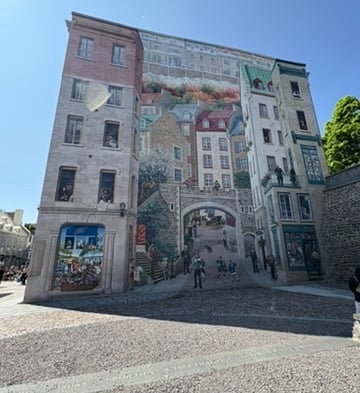
The tour begins by setting the context for Quebec City as the cradle of French civilization in North America and the only walled city north of Mexico. As you walk along the historic ramparts, it becomes clear why the city feels so different from anywhere else on the continent. You pass through streets and squares that date back centuries and still feel very much alive.
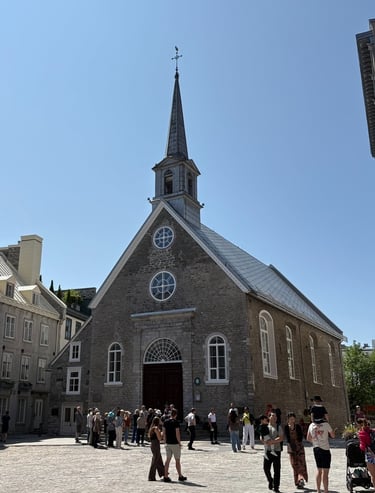
One of the stops that stood out to us was the visit to Notre-Dame-des-Victoires, the small stone church located in Place Royale. Built in the late 1600s, it is considered one of the oldest stone churches in North America and sits on the exact site where Samuel de Champlain established the first permanent French settlement in 1608. The church is simple and understated, but its historical importance is enormous. Standing in that square, it truly feels like you are at the birthplace of French America. As a fun and unexpected detail, Place Royale was also used as a filming location in the movie Catch Me If You Can, standing in for scenes set in Europe. It is easy to see why filmmakers chose it, since the square looks convincingly Old World and timeless.
The walking tour also brings you to the Citadel, officially known as the Musée Royal 22e Régiment. Perched atop Cape Diamant, the Citadel is often referred to as the Gibraltar of the Americas. It is both a national historic monument and an official residence of the Governor General. From this vantage point, you get sweeping views of the St. Lawrence River and a real sense of Quebec City’s strategic importance throughout history.
Another highlight of the tour is walking past the Fairmont Le Château Frontenac, which holds the Guinness World Record as the most photographed hotel in the world. While it is not the tallest building in the city, its dramatic position on the cliff above the river makes it the most recognizable feature of the skyline. Beyond its beauty, the hotel also played a role in world history. During World War II, it was the site of the Quebec Conferences, where Winston Churchill met with United States President Franklin D. Roosevelt to plan major Allied strategies, including elements of what would become the Normandy invasion. It adds another layer of significance to a building that already feels larger than life.
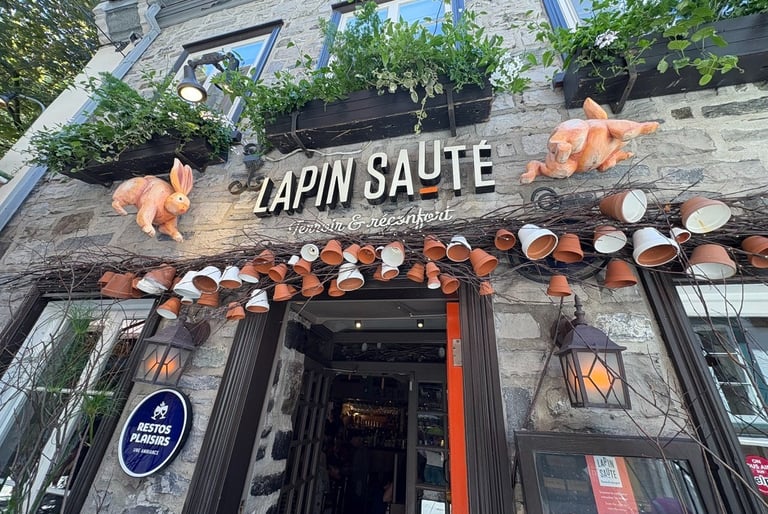
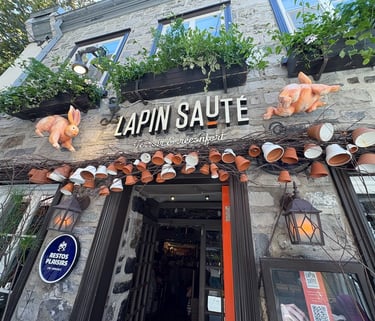
After the walking tour, we recommend slowing things down even further. Find a café or wine bar and enjoy some people watching. Quebec City is perfect for this, with street musicians, locals going about their day, and visitors soaking in the atmosphere. If you are hungry, we recommend the restaurant Lapin Sauté. The name is memorable and the food is excellent. You can make reservations ahead of time, which is helpful during busy seasons.
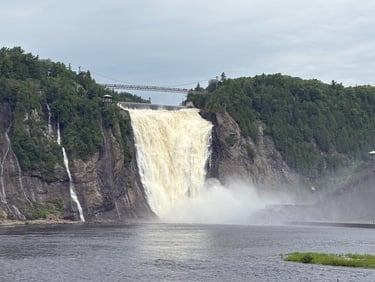
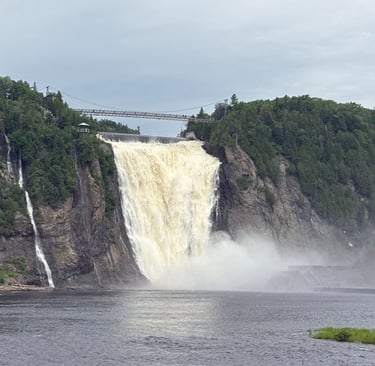
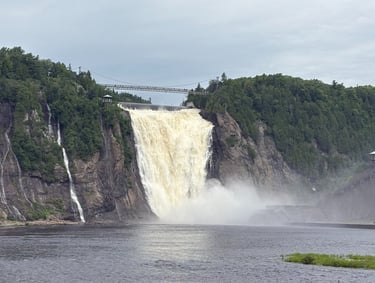
Because we were traveling by car, we also explored outside the city. Just north of Quebec City is Montmorency Falls, a dramatic waterfall that is actually higher than Niagara Falls. There are multiple viewpoints, walking paths, and a suspension bridge that allows you to experience the falls from above. For those looking for something more adventurous, you can also zip line across the waterfall, which gives you a completely different perspective and adds a rush of excitement to the visit.
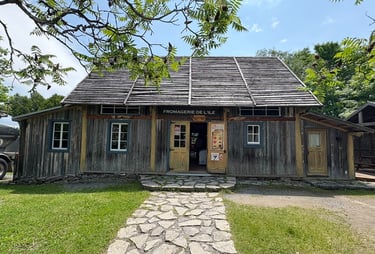
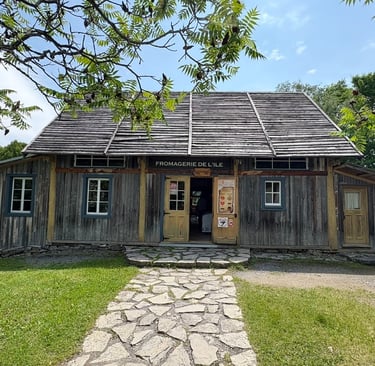
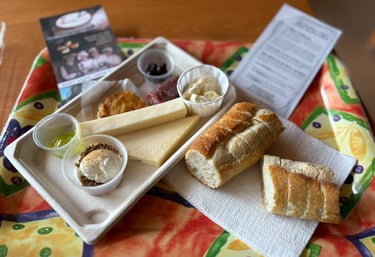
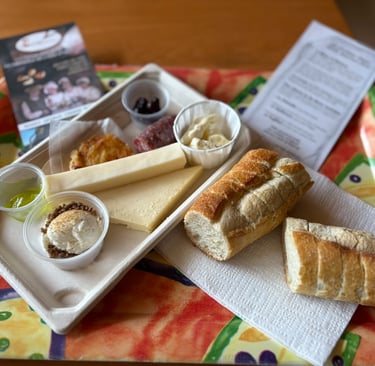
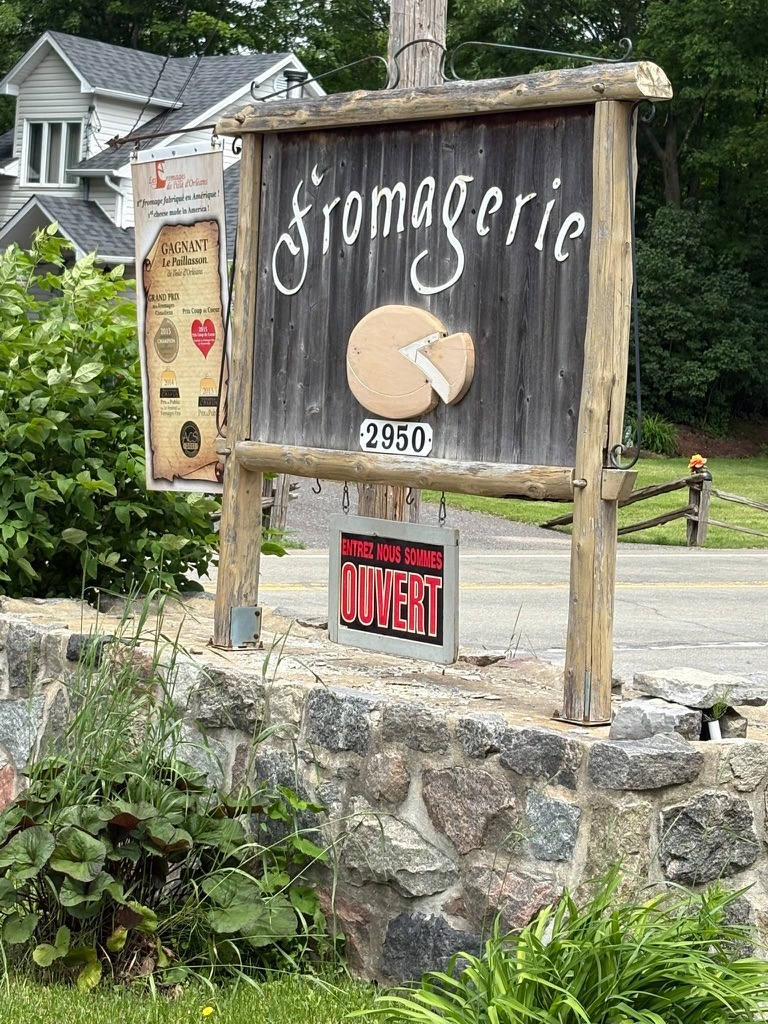
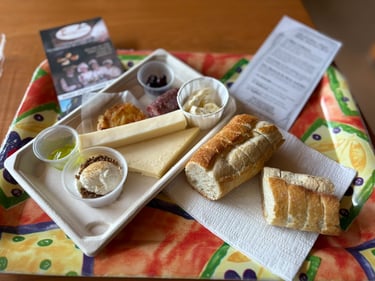
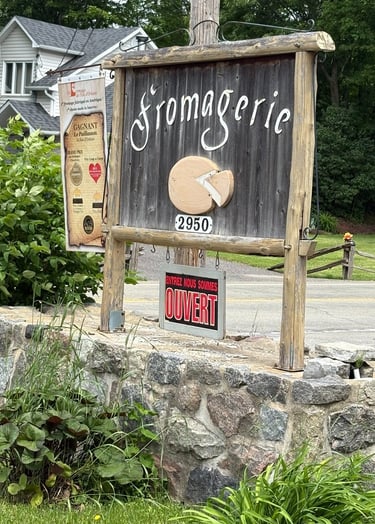
After visiting the falls, we drove east a short distance to Île d’Orléans, a small island that feels rural and relaxed despite being so close to the city. The island is known for its wineries, farms, and food producers. Driving the loop around the island is scenic and unhurried, with plenty of places to stop along the way. You can sample local wines, try wine ice cream, and visit Fromagerie de l’Île d’Orléans, which is often cited as the oldest cheese shop in North America. The island is also filled with charming villages and river views that make it an ideal half-day or full-day excursion.
Quebec City is a destination that blends history, culture, food, and scenery in a way that feels immersive without being overwhelming. Whether you are walking through Old Town, standing in Place Royale, looking out over the St. Lawrence River, or exploring the countryside just beyond the city, it consistently feels rich and memorable.
If Quebec City is on your travel list and you have questions about where to stay, what to see, or how to fit it into a larger trip through Eastern Canada, contact Tacks Travels. We are happy to help you plan the details and make sure your experience in Quebec City is just as rewarding as ours was.
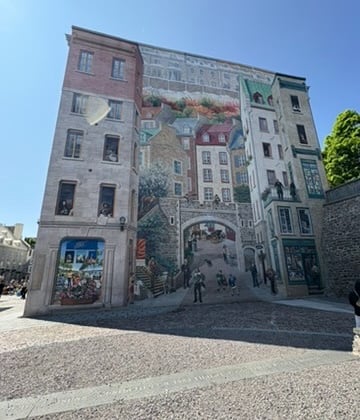
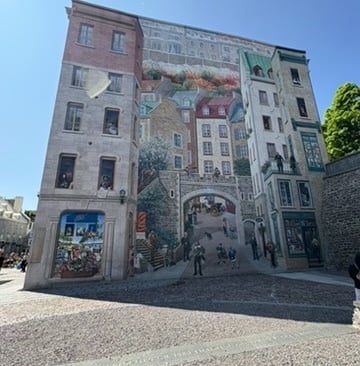
Quebec City feels unlike anywhere else in North America. From the moment you arrive, it feels more European than Canadian, with stone buildings, narrow streets, and a pace that encourages you to slow down and take it all in. It is one of those cities that rewards walking, curiosity, and unstructured time, and it quickly became one of our favorite stops during our travels through Eastern Canada.
During our visit, we stayed at the Marriott Delta Hotel. The hotel offered a secure parking garage, which was helpful since we were driving, but overall the Bonvoy benefits were lacking. While the hotel was fine, it would not be our choice if we returned. If we were to visit Quebec City again, we would stay at the Fairmont Le Château Frontenac. This iconic, castle-like hotel sits in the heart of Old Quebec and overlooks the St. Lawrence River. It is stunning in person and surprisingly not much more expensive than surrounding hotels. Its location alone makes it worth it, with incredible views, immediate access to Old Town, and a sense that you are staying inside the city’s history rather than just visiting it.
One of the best ways to experience Quebec City is on foot, and we highly recommend taking a guided walking tour of Old Quebec. We joined an Old Quebec City Walking Tour, and it was one of the highlights of our visit. Walking with a knowledgeable local guide brought the city’s history to life in a way that wandering on your own simply cannot.
The tour begins by setting the context for Quebec City as the cradle of French civilization in North America and the only walled city north of Mexico. As you walk along the historic ramparts, it becomes clear why the city feels so different from anywhere else on the continent. You pass through streets and squares that date back centuries and still feel very much alive.
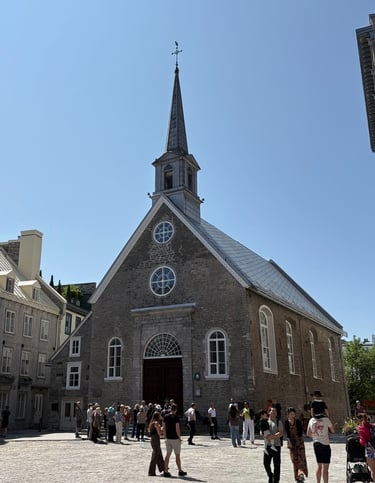
One of the stops that stood out to us was the visit to Notre-Dame-des-Victoires, the small stone church located in Place Royale. Built in the late 1600s, it is considered one of the oldest stone churches in North America and sits on the exact site where Samuel de Champlain established the first permanent French settlement in 1608. The church is simple and understated, but its historical importance is enormous. Standing in that square, it truly feels like you are at the birthplace of French America. As a fun and unexpected detail, Place Royale was also used as a filming location in the movie Catch Me If You Can, standing in for scenes set in Europe. It is easy to see why filmmakers chose it, since the square looks convincingly Old World and timeless.
The walking tour also brings you to the Citadel, officially known as the Musée Royal 22e Régiment. Perched atop Cape Diamant, the Citadel is often referred to as the Gibraltar of the Americas. It is both a national historic monument and an official residence of the Governor General. From this vantage point, you get sweeping views of the St. Lawrence River and a real sense of Quebec City’s strategic importance throughout history.
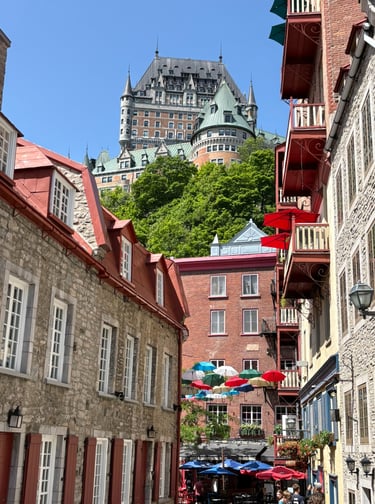
Another highlight of the tour is walking past the Fairmont Le Château Frontenac, which holds the Guinness World Record as the most photographed hotel in the world. While it is not the tallest building in the city, its dramatic position on the cliff above the river makes it the most recognizable feature of the skyline. Beyond its beauty, the hotel also played a role in world history. During World War II, it was the site of the Quebec Conferences, where Winston Churchill met with United States President Franklin D. Roosevelt to plan major Allied strategies, including elements of what would become the Normandy invasion. It adds another layer of significance to a building that already feels larger than life.
After the walking tour, we recommend slowing things down even further. Find a café or wine bar and enjoy some people watching. Quebec City is perfect for this, with street musicians, locals going about their day, and visitors soaking in the atmosphere. If you are hungry, we recommend the restaurant Lapin Sauté. The name is memorable and the food is excellent. You can make reservations ahead of time, which is helpful during busy seasons.
Because we were traveling by car, we also explored outside the city. Just north of Quebec City is Montmorency Falls, a dramatic waterfall that is actually higher than Niagara Falls. There are multiple viewpoints, walking paths, and a suspension bridge that allows you to experience the falls from above. For those looking for something more adventurous, you can also zip line across the waterfall, which gives you a completely different perspective and adds a rush of excitement to the visit.
After visiting the falls, we drove east a short distance to Île d’Orléans, a small island that feels rural and relaxed despite being so close to the city. The island is known for its wineries, farms, and food producers. Driving the loop around the island is scenic and unhurried, with plenty of places to stop along the way. You can sample local wines, try wine ice cream, and visit Fromagerie de l’Île d’Orléans, which is often cited as the oldest cheese shop in North America. The island is also filled with charming villages and river views that make it an ideal half-day or full-day excursion.
Quebec City is a destination that blends history, culture, food, and scenery in a way that feels immersive without being overwhelming. Whether you are walking through Old Town, standing in Place Royale, looking out over the St. Lawrence River, or exploring the countryside just beyond the city, it consistently feels rich and memorable.
If Quebec City is on your travel list and you have questions about where to stay, what to see, or how to fit it into a larger trip through Eastern Canada, contact Tacks Travels. We are happy to help you plan the details and make sure your experience in Quebec City is just as rewarding as ours was.
info@allinglobaltravel.com